
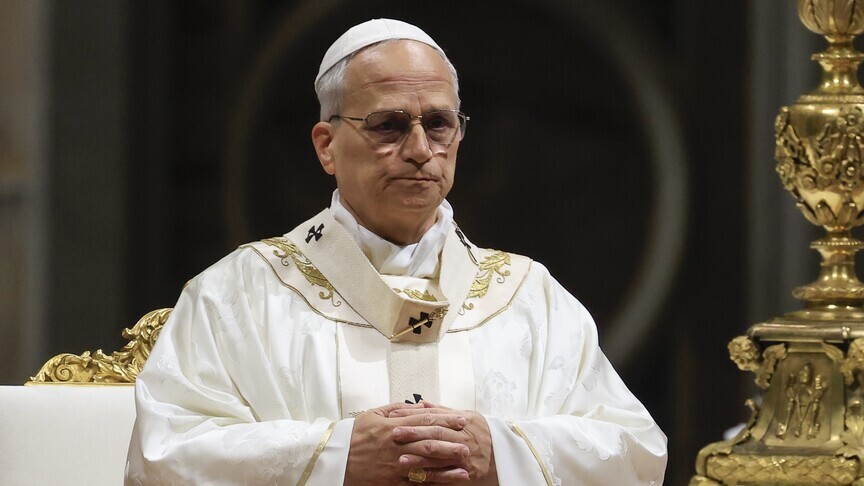
Pope Leo XIV on Monday said that war and rearmament represent a "failure" of societies, warning that lasting peace cannot be built through military means and urging governments to place justice, dialogue and human dignity at the center of public policy.
Addressing Spain's parliament in Madrid during his apostolic visit to the country, the pontiff became the first pope in history to speak before the institution.
At the center of his speech was a call to protect human life and uphold the dignity of every person, according to the Vatican News.
"Every human life must be recognized and safeguarded from conception to its natural end, in every circumstance of its existence," he said.
"The defense of human life is neither a matter of private interest nor confessional concern, but a goal of civilization," he added, arguing that societies risk losing their moral foundation when they fail to protect the most vulnerable.
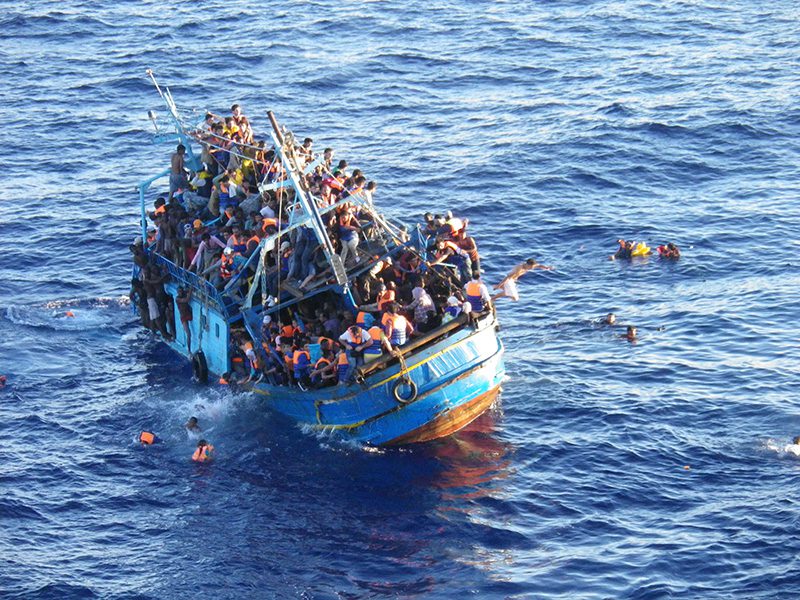
Turning to migration, Pope Leo described it as the "tragic drama of migration" and said it challenges "the conscience of nations and the ethical foundation of the international order."
He said the situation of migrants and refugees requires "a response that places persons at the center, addresses the causes that force them to leave, and goes beyond the mere management of flows."
The pope called for "safe and legal pathways, respectful reception, and genuine opportunities for integration," while also stressing the need to ensure that people are not forced to leave their homelands because of conflict, poverty, insecurity or climate-related pressures.
Addressing global conflicts, he warned that "every war ultimately constitutes a painful failure" of humanity's ability to negotiate and resolve disputes peacefully.
"Weapons may impose a temporary silence, but they can never build an authentic and lasting peace," the pontiff said.
He also expressed concern over increasing military spending and defense buildups.
"It is troubling that, in various parts of the world, including Europe, rearmament is once again being presented as an almost inevitable response to the fragility of the international situation," he said.
"True security, by contrast, is born of justice, patient dialogue, respect for international law, and a politics capable of placing the lives of peoples before the interests that profit from war."
The pope further warned about the growing use of artificial intelligence in military affairs, saying the technology requires "rigorous ethical vigilance."
"Decisions concerning life and death are never delegated to automated systems or removed from the moral responsibility of the human person," he said.
The pope also defended freedom of thought, conscience and religion, describing it as "a decisive issue for every truly democratic society."
"The freedom upon which the modern State is founded, if it is authentic, recognizes the religious dimension of the human being, respects it, and protects it juridically," he said.
Concluding his address, Pope Leo urged lawmakers to remember that every political decision affects real people and called for "moral renewal" alongside legislative reforms.


.webp)
.jpg.jpeg)