
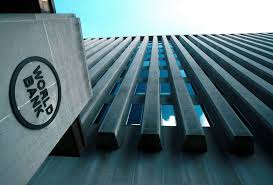
The World Bank has approved $1.1 billion in two separate projects to help Bangladesh mitigate price and supply volatility in the global fertilizer and fuel markets and sustain food security.
The financing came after Prime Minister Tarique Rahman’s Bangladesh Nationalist Party government proposed its first and the country’s biggest-ever national budget earlier this month: 9.02 trillion Bangladeshi taka ($74 billion) for the 2026-27 fiscal year, with a record deficit of $18.5 billion.
The Emergency Support for Food Security Project of $300 million will provide time-bound financing to help Bangladesh import fertilizers critical for the Aman and Boro seasons this July–October and then October 2026–April 2027, according to a World Bank statement on Saturday.
Bangladesh’s food security depends on the Aman and Boro rice seasons, which together account for about 90% of the country’s total rice production.
The Contingent Emergency Response Project of $713 million will support quick-disbursing emergency expenditures, including cash transfers and livelihood assistance.
It will also finance fuel and energy supplies to continue essential services, including food, medicines and medical equipment, energy, and water. The project will be disbursed by June 30.
“Rising food, fertilizer, and fuel prices stemming from the Middle East Conflict, along with tighter fiscal space, have deeply impacted Bangladesh’s economy, hitting smallholder farmers as well as poor and vulnerable people the hardest,” said Jean Pesme, World Bank division director for Bangladesh and Bhutan.



.jpg.jpeg)