
Bangladesh and China on Thursday signed 13 memorandums of understanding (MoUs) covering various areas of cooperation, trade, and investment as the prime ministers of the two countries met in Beijing.
The understandings were signed following a bilateral meeting held between Bangladeshi Prime Minister Tarique Rahman and his Chinese counterpart Li Qiang at the Great Hall in Beijing, according to a statement released on the Bangladeshi prime minister’s official account on the US-based social media platform Facebook.
The MoUs will take the “strategic and economic cooperation” of the two countries to a new height, it said, adding that the two leaders also discussed issues of “Bangladesh-China bilateral relations, trade, investment, and mutual cooperation.”
The Bangladesh prime minister is visiting China on a three-day trip, the first after he came to power in the February election. Rahman will hold a meeting with President Xi Jinping on Friday, the last day of his visit.
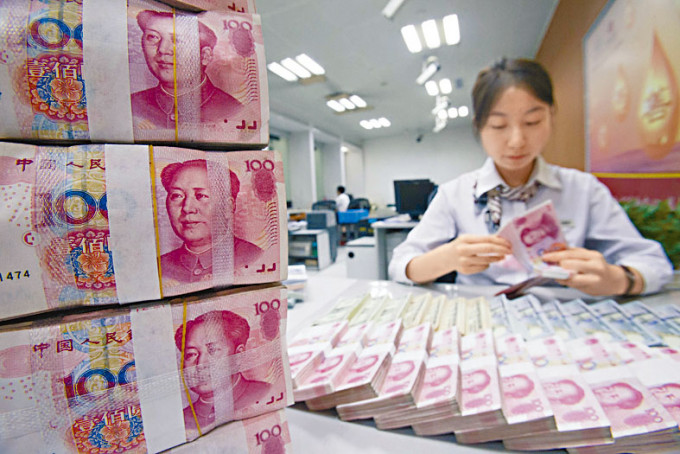
China is Bangladesh's top trading partner, with bilateral trade volumes exceeding $24 billion, while Bangladesh exports roughly $1 billion to $1.16 billion annually.
Earlier in the day, Bangladesh and China also agreed on technical cooperation for the transboundary Teesta River management project as the Bangladeshi leader sought Chinese support on this at a meeting with Chinese Minister of Water Resources Li Guoying at the State Guest House Diaoyutai in Beijing.
The Chinese minister replied positively and said that Bangladesh can utilize the country's experience in water management, including receiving training in China.
The Teesta River is a 414-kilometer (257-mile) major river that flows through India and into Bangladesh via the northern Rangpur division. Bangladesh faces a major crisis during the summer and rainy seasons because India has dams upstream.
To improve the situation, Bangladesh has taken up a mega project called the “Teesta River Comprehensive Management and Restoration Project” and has been searching for investment.
The previous government of the ousted leader, Sheikh Hasina, wanted the project completed with Indian assistance. However, the focus shifted after the July 2024 uprising, which deposed Hasina's government.
Separately, Rahman also held meetings with dozens of Chinese business giants and sought their support and investment on Thursday.
He said Bangladesh's first "investment office" in China will soon be launched to facilitate services for Chinese investors.



.jpg)
.jpg)
.jpg.jpeg)