

The current Ebola strain, which broke out in the Democratic Republic of Congo and Uganda last month, is a result of a new wildlife spillover, scientists from the two countries said Thursday.
They ruled out speculation that it could be connected to an old outbreak that lay hidden or continued to spread undetected.
Scientists from Uganda’s Health Ministry’s Department of National Health Laboratory and Diagnostic Services, and the Congo’s Institute National Biomedical Research through rapid cross-border collaboration, said their findings suggest that the Bundibugyo Ebola Virus is genetically distinct from the variants that caused past outbreaks.
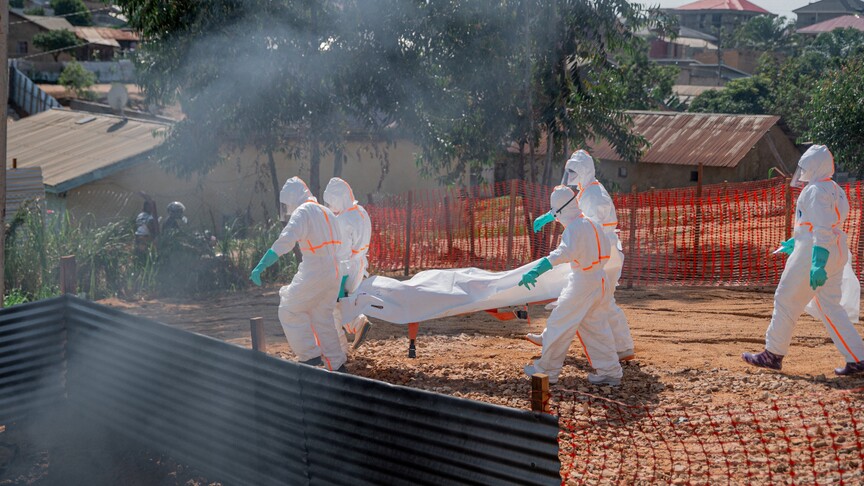
The Congo has reported more than 800 confirmed Ebola cases, including 196 deaths, since the outbreak caused by the Bundibugyo Ebola strain was declared May 15, according to health authorities.
Uganda has reported 19 confirmed cases, including two deaths.
“Genomic analysis indicates a likely fresh wildlife spillover into the human population. The virus is genetically distinct from the variants that caused past outbreaks in Uganda (2007) and the DRC (2012),” they said in their findings.
“This rules out the fear that the virus has been quietly spreading among people unnoticed for years. Instead, the virus has freshly crossed over from a wild animal reservoir into the human population.”
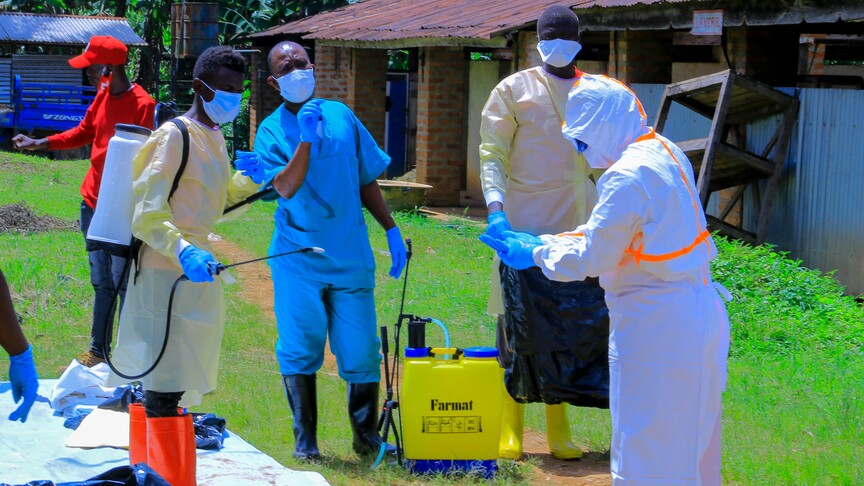
The scientists underscored the importance of collaboration, saying cross-border teamwork is helping health workers track the virus’s movement, prepare hospitals and protect border communities where people move back and forth daily.
In the Congo, the virus is spreading in the eastern provinces of Ituri, North Kivu and South Kivu, with Ituri accounting for nearly 95% of cases.






.jpg.jpeg)