
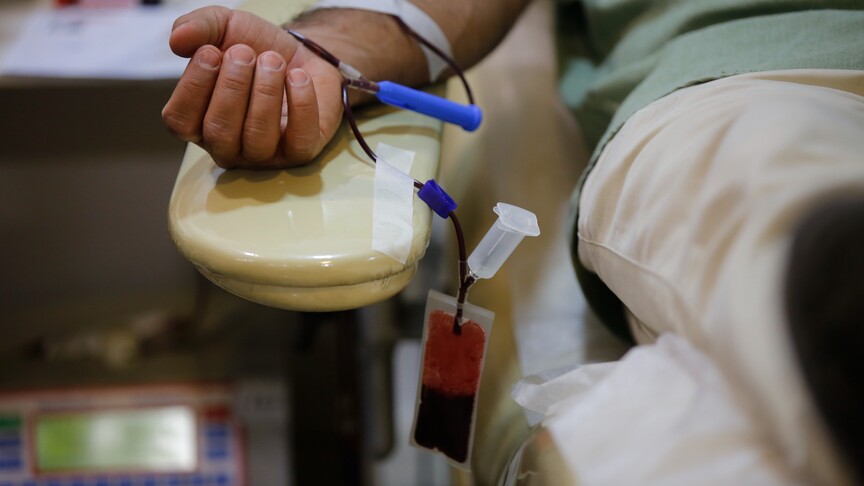
Global blood safety has improved significantly in recent years, but major disparities in access remain, with shortages in lower-income countries continuing to put lives at risk, according to a World Health Organization (WHO) report published on Friday.
The report found that more than 85% of blood donations worldwide now come from voluntary unpaid donors, a milestone that WHO said reflects progress in strengthening blood systems and improving transfusion safety.
Based on data from 168 countries covering 97% of the world's population, the report provides the most comprehensive assessment to date of blood availability, transfusion safety, clinical use of blood, access to plasma-derived medicinal products, and the capacity of national blood systems.
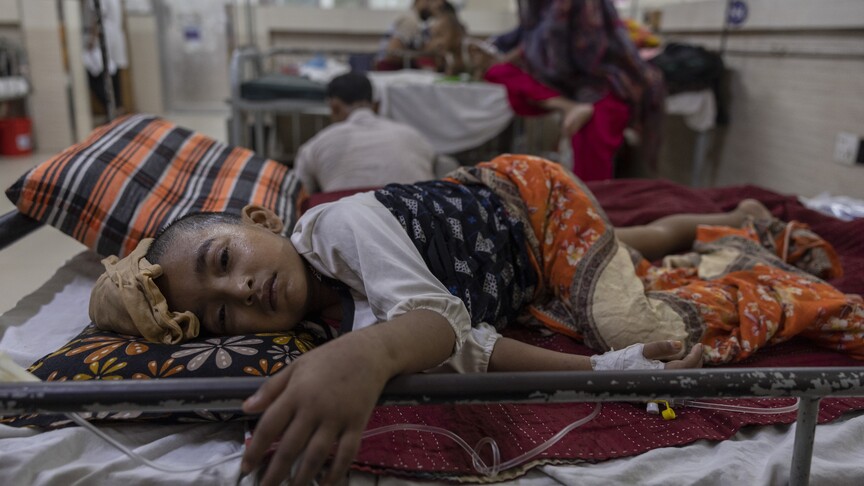
Despite the gains, WHO warned that access to safe blood remains uneven, particularly in lower-income countries where shortages continue to contribute to preventable deaths.
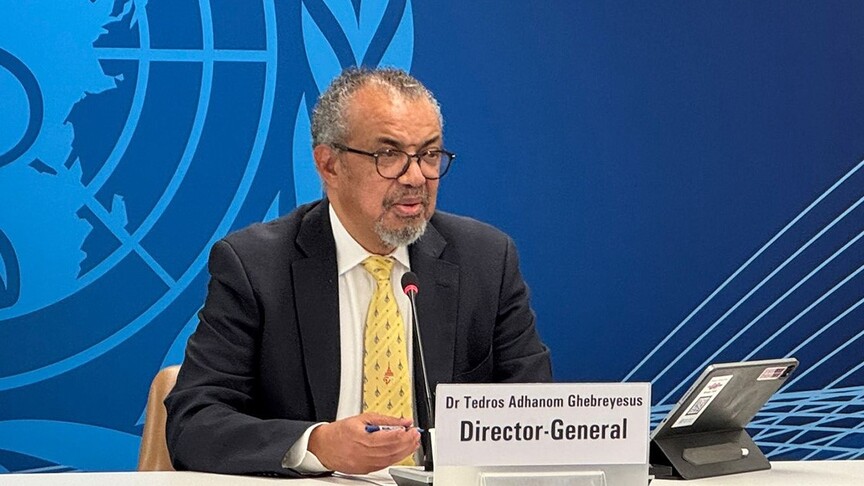
"Access to sufficient, secure supplies of blood and blood products, coupled with safe transfusion practices, is a fundamental component of resilient health systems and a critical enabler of universal health coverage," Deusdedit Mubangizi, director of medicines and health products policies and standards at WHO, said in the report.
Mubangizi stressed that despite notable progress over the past decade, universal access to safe blood and blood products remains “elusive for many countries.”
Safe blood is essential for treating patients experiencing childbirth complications, severe anemia, traumatic injuries, cancer and chronic blood disorders, as well as those undergoing surgery, WHO said.
The agency also highlighted the importance of donated plasma, which is used to produce treatments for people living with bleeding disorders, immune deficiencies and other serious conditions.
WHO said reliable access to safe blood and blood products remains critical to universal health coverage, health security and resilient health systems.
.jpg.jpeg)