
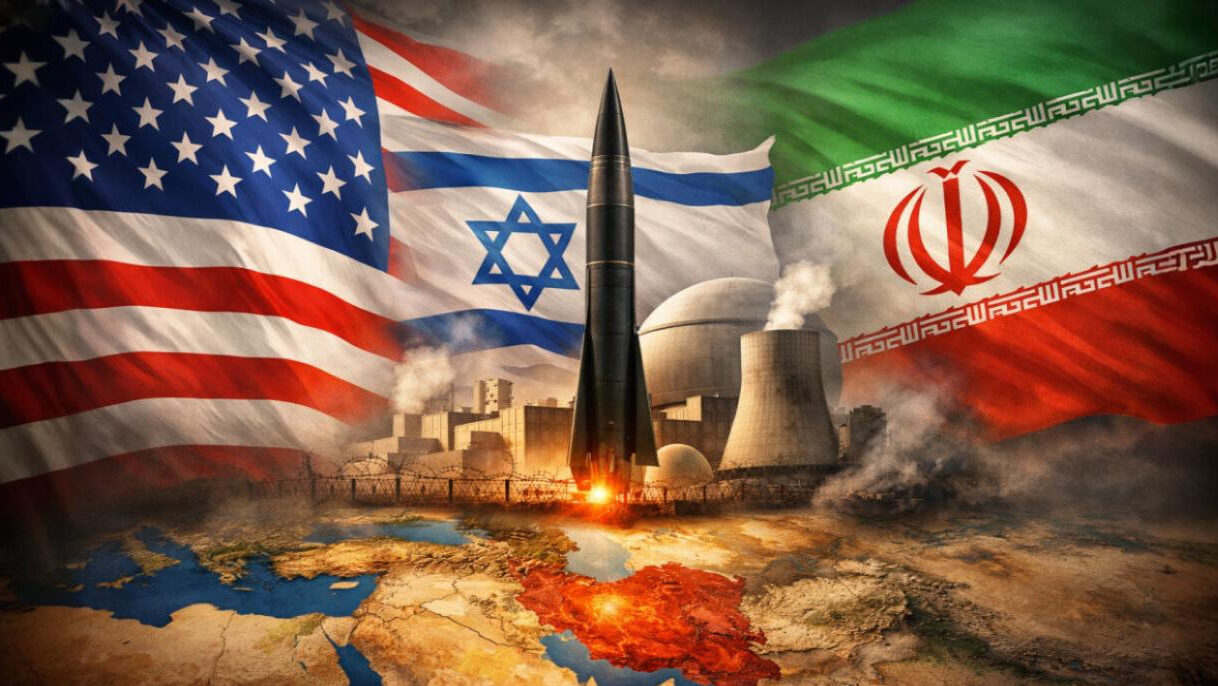
In late February 2026, the United States and Israel launched a major military campaign against Iran in response to what both governments described as pending security threats, including concerns related to Tehran’s nuclear program and missile capabilities. The operation involved a series of coordinated airstrikes targeting Iranian military and strategic infrastructure. According to reports, these strikes resulted in the death of Iran’s Supreme Leader Ali Khamenei and several other high-level officials — a significant and highly controversial development that escalated regional tensions.
In retaliation, Iran has carried out missile and drone attacks on U.S. and allied bases across the Gulf, targeted energy infrastructure, and threatened key shipping lanes in the Strait of Hormuz, one of the world’s most critical oil transit routes.
These developments have raised serious international concern, with global leaders urging restraint and renewed diplomatic engagement, even as violence continues to spread and civilian casualties increase.
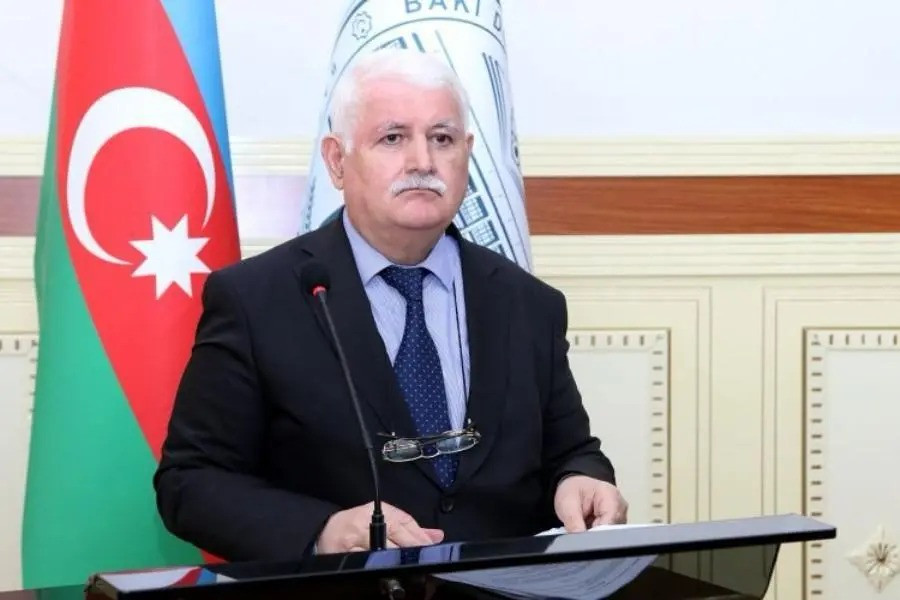
Speaking to EDnews, Dr. Umud Shokri, Energy Strategist and Senior Visiting Fellow at George Mason University, shared his opinion on this complex situation — examining its causes, potential consequences, and possible paths forward.

- How do you assess the current trajectory of tensions in the Middle East, and what factors are most likely to determine whether the situation escalates further or stabilizes?
As of early March 2026, the trajectory points to continued escalation rather than rapid stabilization. After the U.S.-Israeli strikes on Iran on February 28, 2026, Iran retaliated with missile and drone attacks not only on Israel and U.S. assets, but also on Gulf states hosting U.S. forces, bringing the conflict directly into the wider region. Reuters and the UK government have both reported missile attacks affecting Gulf cities and emergency security warnings across the Gulf.
The main factors that will determine whether the crisis escalates further are, first, Iran’s capacity to keep regionalizing the conflict through missiles, drones, cyberattacks, and allied non-state actors; second, whether the Strait of Hormuz remains partially or fully disrupted; and third, whether Washington and Israel define their objective narrowly around degrading Iran’s military and nuclear capabilities or more broadly in ways that Tehran interprets as existential. Reuters has reported that U.S.-Israeli officials have publicly emphasized preventing Iran from retaining nuclear capabilities, while intelligence assessments warn of continued Iranian retaliation and cyber escalation after the reported death of Ali Khamenei.
Stabilization is still possible, but only if there is some combination of military pause, credible backchannel diplomacy, and mutual recognition that further escalation would sharply raise costs for all sides. The U.N. Security Council has already convened emergency discussions, and U.N. officials have called for an immediate ceasefire, which suggests there is at least some international diplomatic space, even if it is narrow
-What could the current instability mean for global energy markets, trade routes, and broader international diplomacy, particularly for Europe and Asia?
The instability poses a direct risk to oil, gas, shipping, insurance, and logistics, not just to headline crude prices. Reuters reports that the conflict has already disrupted shipping through the Gulf, left vessels damaged or stranded, and driven a sharp rise in oil and gas prices. Tankers and LNG vessels have been delayed around the Strait of Hormuz, a chokepoint that handles roughly one-fifth of global oil flows and significant LNG volumes.
For Europe, the main danger is not only higher oil prices but also greater vulnerability in gas markets if Gulf LNG flows are disrupted. Reuters reports that Europe is already bracing for a broader economic hit from the conflict, including higher energy costs and renewed inflationary pressure.
For Asia, the risks are even more immediate because many Asian economies remain heavily dependent on Middle Eastern crude and LNG. Reuters has reported that the conflict is disrupting oil supply to Asian buyers and raising freight, insurance, and transport costs, with countries such as India, Japan, South Korea, and China especially exposed. If Hormuz disruption persists, Asia could face higher import costs, supply insecurity, slower growth, and intensified competition for alternative cargoes.
Diplomatically, the conflict is also straining relations between global powers and regional actors. Gulf states are under pressure because they host U.S. military assets but also want to avoid becoming permanent battlefields. At the same time, emergency U.N. diplomacy and wider international reactions suggest that the war is no longer a contained bilateral confrontation. It is becoming a crisis with consequences for European energy security, Asian supply chains, and global diplomatic alignment.
-What realistic diplomatic or strategic steps could help reduce tensions and prevent a wider regional conflict?
The most realistic first step is an immediate, limited de-escalation arrangement, even if a full political settlement remains out of reach. That could include a pause in long-range strikes, protection commitments around civilian and energy infrastructure, and intensified backchannel diplomacy through mediators such as Oman, Qatar, or Turkey. The fact that the U.N. Security Council has already met on the crisis shows that multilateral diplomatic channels are active, even if weak.
A second step would be to establish or restore military communication channels to reduce the chance of accidental escalation, especially around Gulf shipping lanes, airspace, and U.S. bases in the region. Given the scale of recent retaliation, preventing miscalculation is now almost as important as managing intentional escalation. This is an inference, but it follows directly from the regional spread of missile attacks and disruptions to shipping and critical infrastructure.
A third step would be to reconnect any de-escalation track to nuclear and sanctions diplomacy, even in a limited or interim form. That would not resolve the underlying conflict overnight, but without some framework that links military restraint to political incentives, the current cycle is likely to continue. In practical terms, the immediate objective should not be a grand bargain. It should be to prevent a wider regional war that would further damage Gulf states, energy markets, and civilian infrastructure across the Middle East.
EDnews | John Ayomide




.jpg.jpeg)