
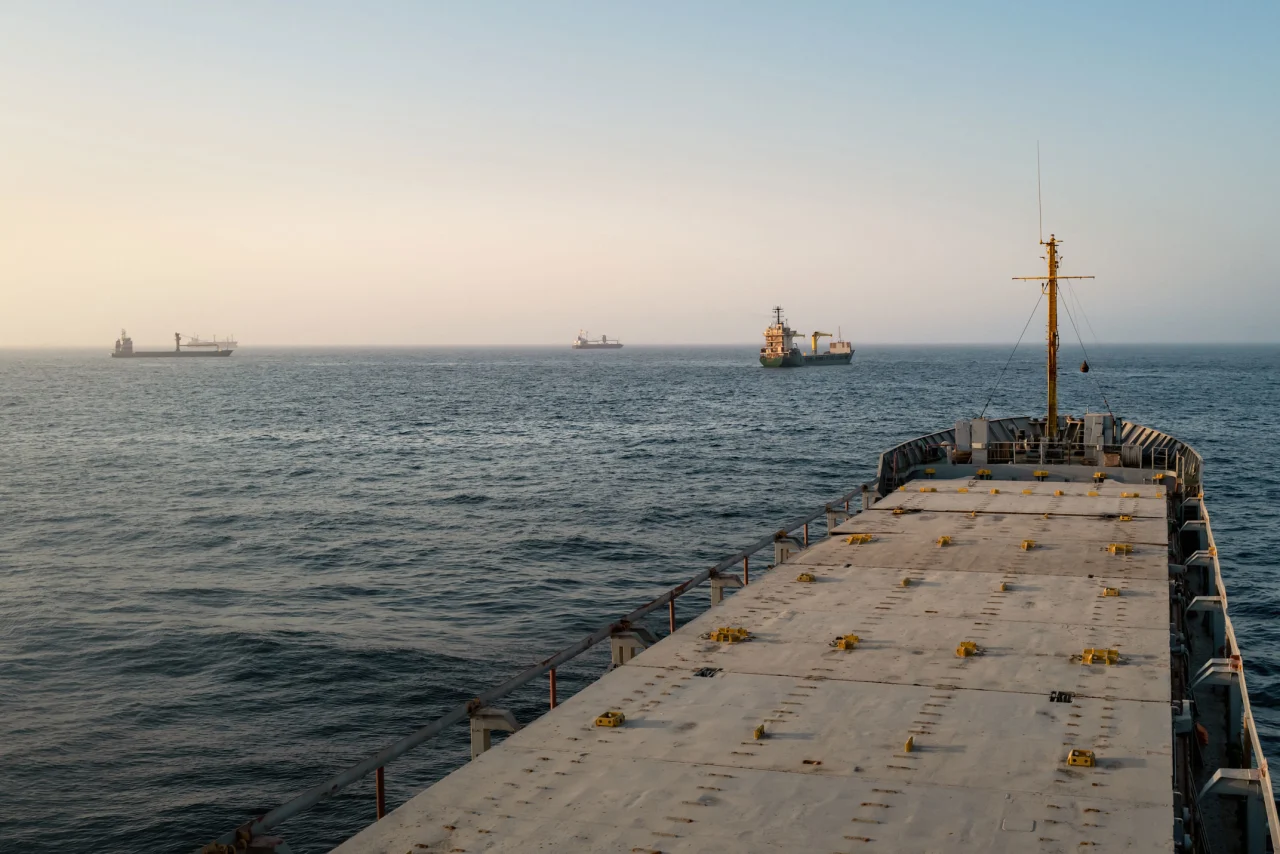
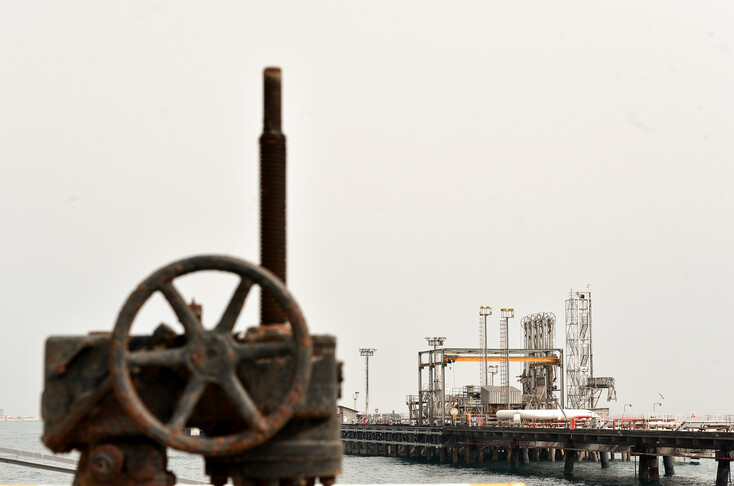
Global oil prices moved slightly higher on Sunday as military tensions between the United States and Iran entered a fourth consecutive day, raising renewed concerns over energy supplies through the Strait of Hormuz, according to CNN.
Brent crude, the international benchmark, gained 0.9% to $72.20 per barrel, while US West Texas Intermediate crude rose 1.3% to $70.09 per barrel. The increases follow Friday's close, when oil prices had fallen to their lowest levels since the conflict began.
Markets had previously declined on hopes that a 60-day ceasefire agreement would restore normal shipping through the Strait of Hormuz, a key maritime route responsible for transporting roughly one-fifth of the world's oil supply. Following the June 17 agreement, both Washington and Tehran indicated that commercial traffic could resume without additional transit fees.
However, optimism faded after Iran reportedly struck a vessel in the strait on Thursday, prompting the United Nations to suspend plans to evacuate stranded seafarers and vessels. Continued exchanges between US and Iranian forces have also led some oil tankers to reroute closer to Oman's coastline to reduce security risks.
Analysts caution that even if shipping fully resumes, repairing damaged energy infrastructure and restoring normal tanker operations could take months. Some experts believe oil prices may not return to pre-conflict levels until sometime in 2026.
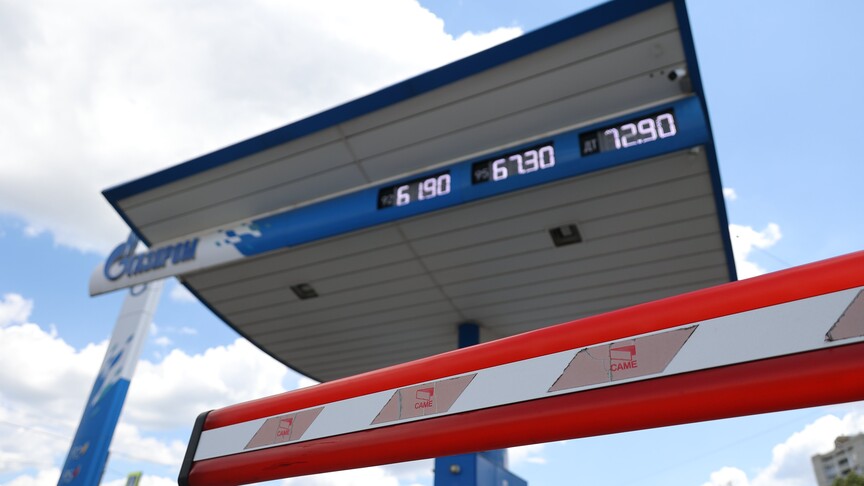
Despite the recent gains, oil remains significantly below its four-year high of approximately $126 per barrel recorded in April. Lower fuel costs have helped ease pressure on consumers, with the average US price for regular gasoline falling to $3.87 per gallon on Sunday, according to AAA—nearly 13% lower than one month ago.
Meanwhile, US stock futures remained largely unchanged as investors continued monitoring developments in the Middle East.
.jpg.jpeg)