
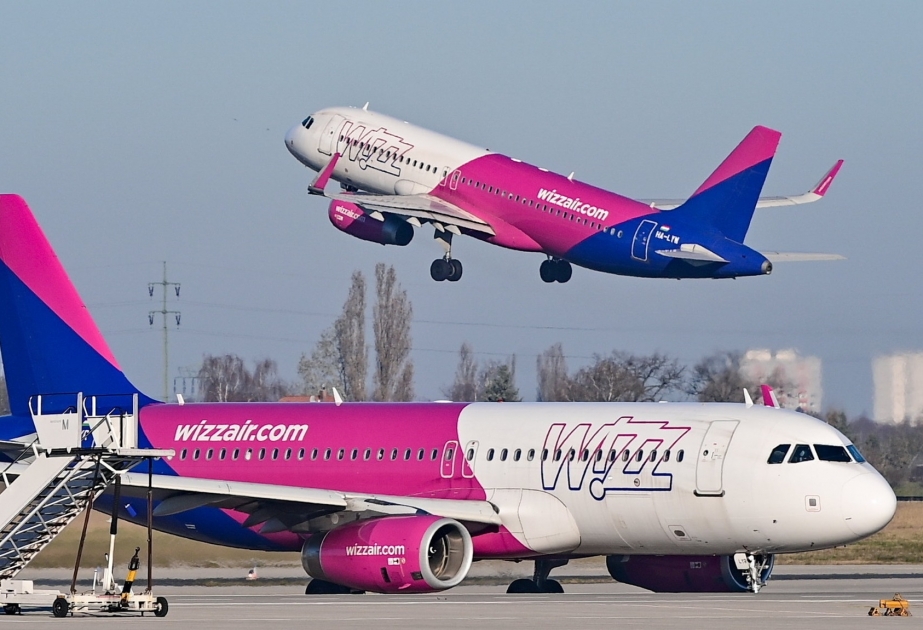
Hungarian low-cost airline Wizz Air saw its net profit plunge 99.4% in the fiscal year ending March 31, 2026, as Middle East route disruptions and operational pressures weighed on earnings.
The company said in its financial results on Thursday that total revenue rose 8% year-on-year to €5.69 billion ($6.5 billion), supported by higher passenger numbers and capacity growth.
Wizz Air carried a record 69.7 million passengers during the period, up 10% from the previous fiscal year, while seat capacity increased 10.5%.
Despite the revenue growth, operating profit for the period declined 16.6% to €139.7 million ($161.1 million) from €167.5 million a year earlier. Net profit fell sharply to €1.3 million ($1.45 million).
The airline said its performance was affected by several one-off headwinds, including the forced cancellation of Tel Aviv and other Middle East routes during the 2025 peak summer period, as well as the cancellation of Middle East and Cyprus routes in March 2026.
Wizz Air said the Iran conflict in March 2026 carried the risk of negatively affecting earnings by an estimated €50 million, though this was largely mitigated by fuel hedges put in place before the conflict.
The company’s load factor slipped 0.5 percentage points to 90.7%, which it said was due largely to the aftermath of the war with Iran.
Ancillary revenue was also partly affected by the closure of the Abu Dhabi base in September 2025 and reduced flight volumes to the Middle East, as longer flights in the region had generated higher-than-average ancillary revenue per passenger.
Wizz Air said total operating expenses rose 8.9% to €5.55 billion, while total fuel expenses declined 1.9% to €1.76 billion.
The company also pointed to ongoing Pratt & Whitney GTF engine inspections, saying the number of grounded aircraft fell to 30 as of March 31, from 42 at the end of the previous fiscal year. The figure had declined further to 24 as of June 5.
For the fiscal year ending March 31, 2027, Wizz Air said it would not provide guidance at this stage, citing limited visibility across trading seasons, uncertainty linked to the ongoing conflict in Iran and the closure of the Strait of Hormuz.
The airline expects available seat kilometer capacity to rise 15% year-on-year in the first quarter of fiscal 2027 and 20% in the second quarter.






.jpg.jpeg)