
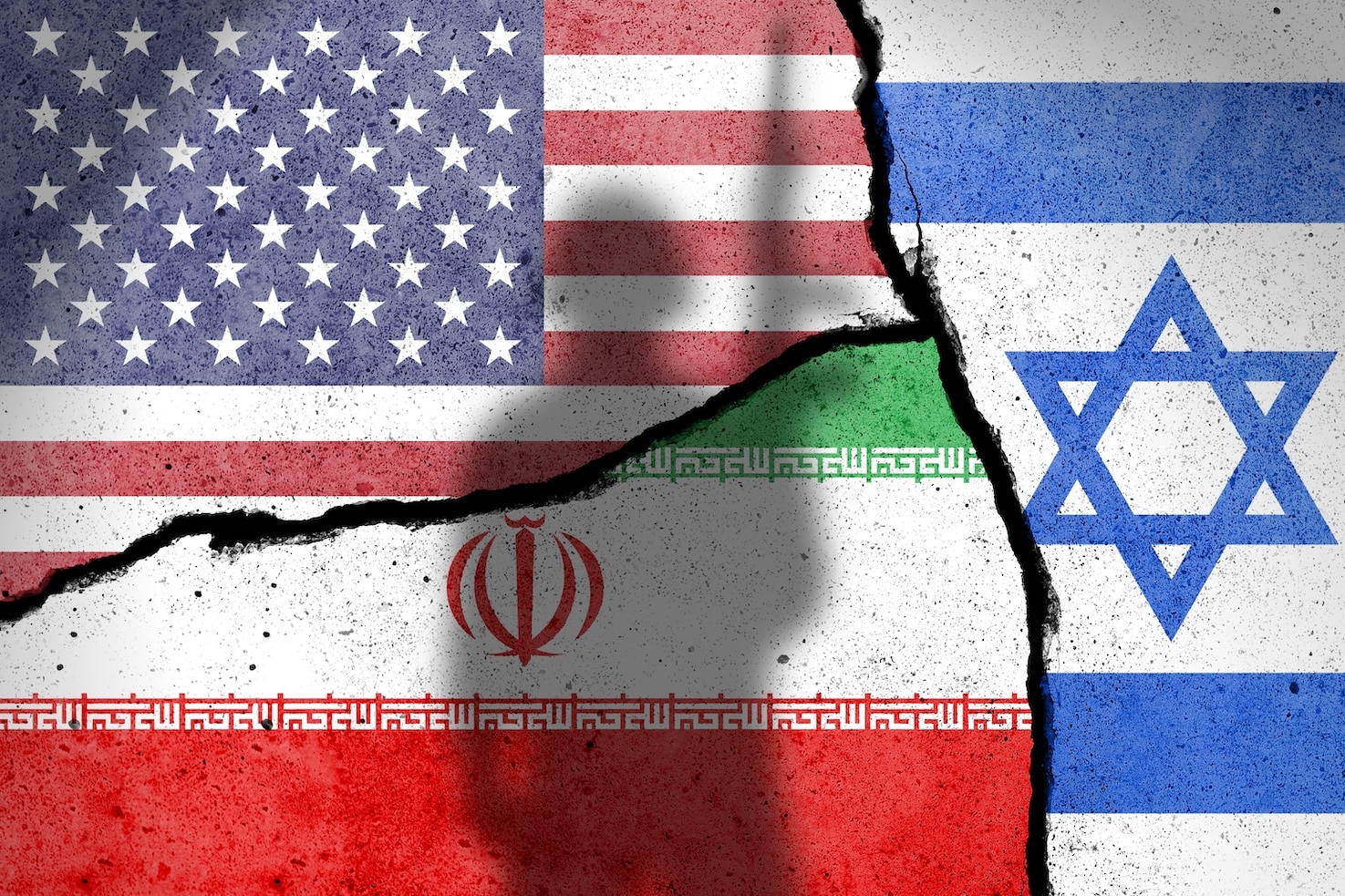
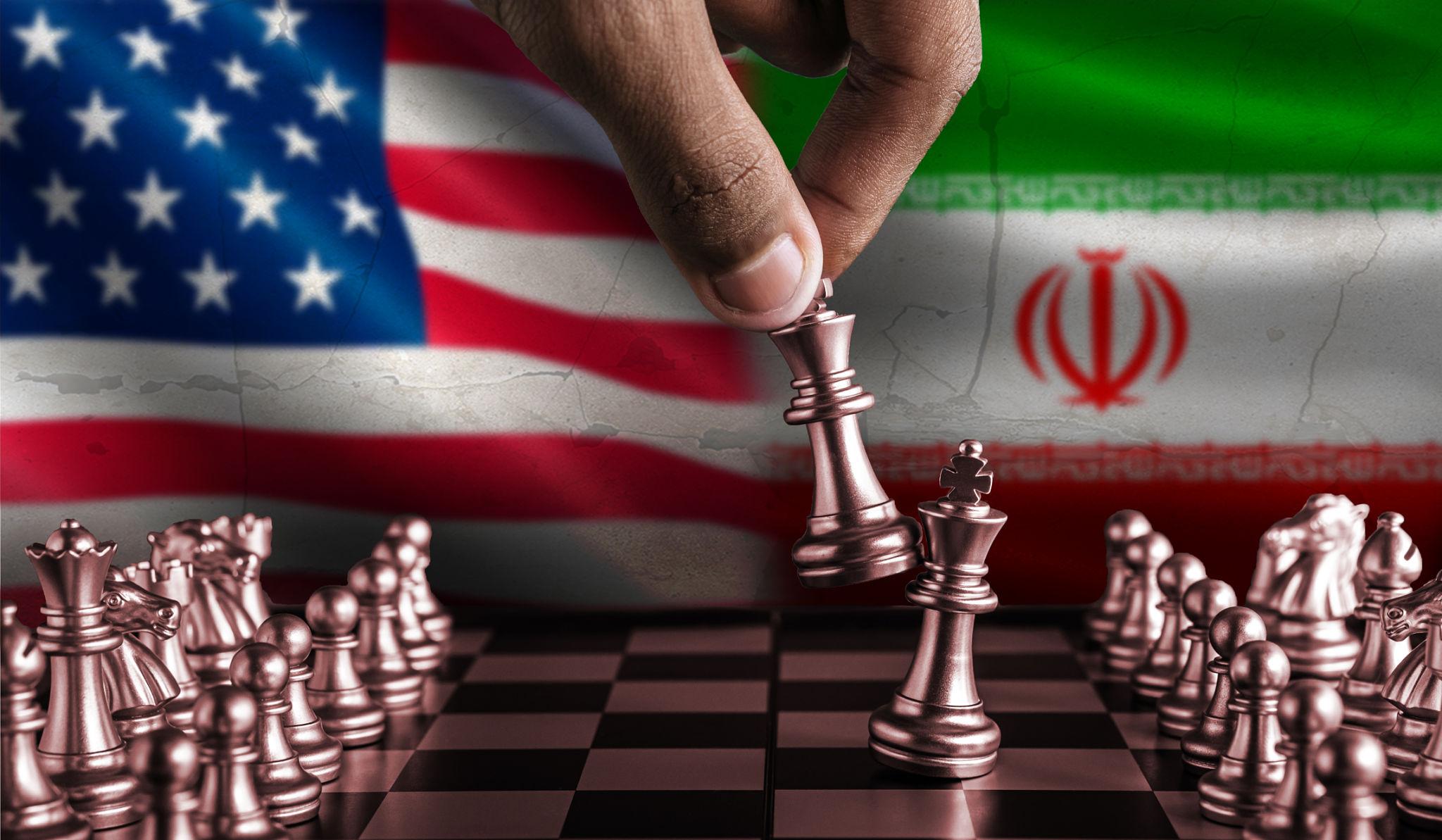
The escalation involving the United States, Israel, and Iran has renewed attention on the energy-security vulnerabilities of the Gulf Cooperation Council (GCC) states: Bahrain, Kuwait, Oman, Qatar, Saudi Arabia, and the United Arab Emirates. The conflict has affected maritime confidence around the Strait of Hormuz, one of the world’s most important energy chokepoints. In 2024, oil flows through the Strait averaged around 20 million barrels per day, equivalent to about 20% of global petroleum liquids consumption. In the same year, about 20% of global liquefied natural gas (LNG) trade also transited the Strait, mainly from Qatar, with smaller volumes from the UAE.
For the GCC, the crisis does not replace the existing logic of the energy transition. Rather, it reinforces it. Gulf governments were already pursuing renewable energy, hydrogen, carbon management, efficiency, and economic diversification as part of long-term national strategies. The conflict has added a sharper energy-security dimension to these efforts. It has shown that the transition is not only about emissions reduction or international climate commitments but also about resilience, export flexibility, domestic power security, and reducing exposure to disruptions in maritime energy routes.
Pre-conflict GCC energy transition context
Before the current crisis, GCC energy-transition strategies were already shaped by three main pressures: rising domestic electricity demand, the fiscal need to preserve hydrocarbons for export, and the strategic goal of building new industries beyond oil and gas. Saudi Arabia, the UAE, Oman, Qatar, Bahrain, and Kuwait have each adopted different transition pathways, but most combine renewable power, energy efficiency, hydrogen, carbon capture, and industrial diversification.
Saudi Arabia has committed to generating 50% of its electricity from renewable sources by 2030 under the Saudi Green Initiative, alongside a broader target of net-zero emissions by 2060. The UAE has positioned itself as a regional clean-energy investor through domestic solar deployment, nuclear power, international renewable investments, and its net-zero-by-2050 strategy. Qatar has adopted a renewable-energy strategy targeting about 4 GW of large-scale renewable generation and around 200 MW of distributed solar by 2030. Oman has also placed green hydrogen and renewable power at the center of its long-term diversification agenda.
Region-wide renewable energy development has accelerated but remains uneven. Columbia University’s Center on Global Energy Policy estimated that the GCC would need around US$60 billion in investment between 2025 and 2030 to meet the goal of adding 102 GW of renewable-energy capacity. It also noted that regulatory, technical, and financial challenges could slow progress, including grid integration, power-purchase obligations, and project-execution risks.
This pre-conflict context matters because the war is unlikely to create a wholly new transition agenda. Instead, it may reorder priorities within existing strategies. Energy security, grid resilience, storage, domestic manufacturing, and alternative export infrastructure are likely to become more important in policy planning.
Energy security and the Strait of Hormuz
The Strait of Hormuz has long been central to GCC energy security, but the current conflict has made that dependence more visible. Oil and LNG exports from the Gulf remain closely connected to maritime stability. Qatar’s LNG exports are particularly exposed because Ras Laffan shipments rely heavily on passage through Hormuz. The U.S. Energy Information Administration (EIA) reported that about 20% of global LNG trade transited Hormuz in 2024, primarily from Qatar, while Qatar exported about 9.3 billion cubic feet (bcf) per day of LNG through the Strait that year.
Recent disruptions have also affected LNG markets. The EIA reported that disruption in the Strait affected more than 10 bcf per day of global LNG supplies, or approximately 20%, mostly from Qatar’s Ras Laffan export facility. It also noted that no laden LNG vessels were known to have crossed the Strait between 1 March and 24 April, based on Kpler data. Reuters reported that Qatar Energy extended force majeure on some LNG supplies to Italy’s Edison, reflecting the operational and contractual consequences of the disruption.
For oil exporters, alternative routes offer partial mitigation but not a complete solution. Saudi Arabia’s East-West Pipeline to the Red Sea and the UAE’s pipeline access to Fujairah reduce reliance on Hormuz for some volumes, but they cannot fully substitute for normal maritime flows from the Gulf. The result is a stronger policy case for diversified infrastructure, including pipelines, export terminals, storage capacity, and domestic electricity systems that are less dependent on oil and gas burn.
Renewables as resilience infrastructure
The conflict may accelerate the perception of renewables as strategic infrastructure. Solar and wind projects do not directly solve export-route risks, but they can improve domestic energy resilience in three ways. First, renewable power can reduce the use of oil and gas in domestic electricity generation, preserving hydrocarbons for export when markets are stable. This is especially important in countries with high cooling demand and rising electricity consumption. Second, renewables, when paired with storage and grid modernization, can reduce dependence on centralized fuel supply chains. Third, clean power can support industrial diversification, including green hydrogen, desalination, data centers, and advanced manufacturing.
This does not mean that renewable energy will quickly displace hydrocarbons in GCC economies. Oil and gas will remain central to state revenues, export earnings, and global energy markets for years. However, the conflict strengthens the argument that renewables should be assessed not only by cost, but also by their contribution to energy security, fiscal resilience, and strategic autonomy.
The GCC’s strong solar resources remain a major advantage. Utility-scale solar in the region has achieved some of the world’s lowest tariffs, supported by high irradiation, available land, large-scale procurement, and state-backed financing. The main challenge is no longer whether solar is technically attractive, but whether grids, storage, regulation, and project pipelines can scale quickly enough to meet national targets.
Investment priorities after the crisis
The conflict is likely to reshape GCC energy-transition investment in five areas.
First, grid modernization will become more urgent. Higher renewable penetration requires stronger transmission networks, dispatch systems, forecasting tools, and storage capacity. Without grid upgrades, renewable targets risk remaining headline commitments rather than operational realities. Second, battery storage and flexible generation will receive greater attention. Solar power is abundant during the day, while GCC electricity demand often peaks in the evening because of cooling needs. Storage, demand response, and flexible gas generation will therefore be needed to maintain reliability.
Third, regional power interconnection may gain strategic importance. Stronger GCC electricity interconnections could allow countries to share reserves, balance variable renewable generation, and improve resilience during emergencies. This would require technical investment and deeper regulatory coordination.
Fourth, domestic clean-energy supply chains may receive more policy support. The conflict has highlighted the risks of overdependence on imported components, shipping routes, and external suppliers. GCC governments may therefore place greater emphasis on local manufacturing of solar components, cables, inverters, storage systems, and hydrogen-related equipment.
Fifth, hydrogen and carbon capture may gain renewed political relevance. For GCC exporters, these technologies offer a way to preserve a role in future energy markets while reducing emissions intensity. Green hydrogen relies on renewable electricity, while blue hydrogen depends on natural gas and carbon capture. Both pathways face cost, infrastructure, certification, and market-demand challenges, but their strategic logic remains significant.[15]
Economic diversification and fiscal effects
The conflict’s effect on GCC diversification will be mixed. Higher oil prices can increase revenues for volumes that continue to reach markets, improving fiscal space for investment in infrastructure and clean energy. At the same time, disruptions to exports, shipping, aviation, insurance, and investor confidence can create short-term economic pressures. This dual effect makes fiscal planning more complicated.
If governments use temporary revenue gains to fund long-term transition infrastructure, the crisis could accelerate diversification. If funds are absorbed by security costs, emergency logistics, subsidies, or short-term stabilization measures, transition investment could slow. The outcome will depend on each state’s fiscal position, project pipeline, institutional capacity, and ability to attract private capital.
The broader lesson is that diversification is no longer only a post-oil agenda. It is also a risk-management strategy for hydrocarbon exporters operating in a more uncertain regional environment. Renewable energy, logistics diversification, downstream industries, mining, digital infrastructure, tourism, finance, and advanced manufacturing can all help reduce the vulnerability of national economies to energy-route disruptions.
Policy risks and implementation challenges
Several risks could limit the positive impact of the crisis on the GCC energy transition.
The first is capital competition. Governments may face pressure to spend more on security, emergency infrastructure, and export-route protection. These needs could compete with renewable energy and grid investment. The second is project-cost inflation. Higher insurance premiums, supply-chain disruptions, shipping delays, and heightened risk perceptions can increase the cost of clean-energy projects. Even if renewables remain competitive, financing costs still matter. The third is implementation capacity. Meeting 2030 targets requires not only capital but also permitting reform, grid-access rules, clear procurement frameworks, skilled labor, and transparent regulation. Columbia’s assessment of GCC renewables highlights regulatory, technical, and financial barriers that could hinder progress toward 2030 goals.
The fourth is technology sequencing. Hydrogen, carbon capture, and large-scale storage are important, but they are not substitutes for immediate grid decarbonization and efficiency gains. Policymakers will need to balance flagship projects with practical measures that reduce fuel use and improve system reliability. The fifth is external market uncertainty. Clean hydrogen and low-carbon fuel exports depend on demand from Europe and Asia, certification rules, transport costs, and price competitiveness. GCC producers may have resource advantages, but future markets are still developing.
Possible long-term outcomes
Three scenarios are possible.
In a limited-disruption scenario, the conflict stabilizes and energy flows normalize gradually. In this case, GCC states may continue their existing transition plans but place greater emphasis on resilience, storage, and alternative export infrastructure. In a prolonged-risk scenario, recurring tensions around Hormuz keep insurance costs and shipping risks elevated. This would likely strengthen the case for faster renewable deployment, more domestic energy storage, greater regional grid cooperation, and expanded non-Hormuz export options.
In a strategic-acceleration scenario, GCC governments treat the crisis as a turning point and use fiscal resources, sovereign wealth funds, and international partnerships to accelerate clean-energy infrastructure. This would require disciplined execution, consistent regulation, and careful coordination between national energy strategies and industrial policy.
Conclusion
The Iran-Israel-U.S. war may reshape the GCC’s energy transition less by changing its destination than by changing its urgency and strategic meaning. Before the conflict, renewable energy, hydrogen, carbon capture, and diversification were already central to national visions across the Gulf. The crisis has reinforced the idea that clean energy is not only an environmental or economic priority but also a pillar of energy security. For GCC states, the main lesson is not that hydrocarbons are suddenly obsolete, but rather that dependence on concentrated export infrastructure creates risks that cannot be managed through oil and gas policy alone. Renewable power, storage, grid modernization, regional interconnection, alternative export routes, and clean industrial development can all contribute to a more resilient energy system.
The most likely outcome is, therefore, a more security-conscious energy transition. GCC states will continue to invest in hydrocarbons while expanding clean-energy capacity and diversification initiatives. The pace of change will depend on political stability, market conditions, financing capacity, and implementation discipline. If managed carefully, the crisis could push the GCC toward a transition model that is not only cleaner but also more resilient, flexible, and economically durable.
Originally published by trend research
ABOUT AUTHOR
Dr. Umud Shokri | Energy Strategist & Senior Visiting Fellow at George Mason University, U.S.

.jpg.jpeg)