
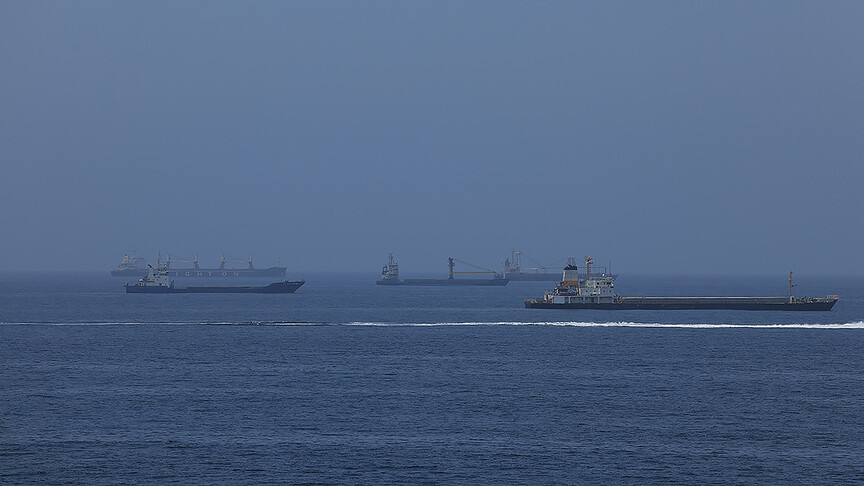
Iran has exported 40 million barrels of crude oil since June 15, with half of that volume shipped out in a single day, according to maritime intelligence firm TankerTrackers.com.
The company said on US social media platform X that exactly 20 million barrels of Iranian crude left the country last Friday, June 19, marking a sharp acceleration in outbound flows after weeks of severe disruption around the Strait of Hormuz.
The reported surge came as maritime traffic through the strategic waterway showed further signs of cautious recovery following the interim US-Iran peace deal, which helped ease security concerns and allowed more vessels to resume movements in and out of the Persian Gulf.
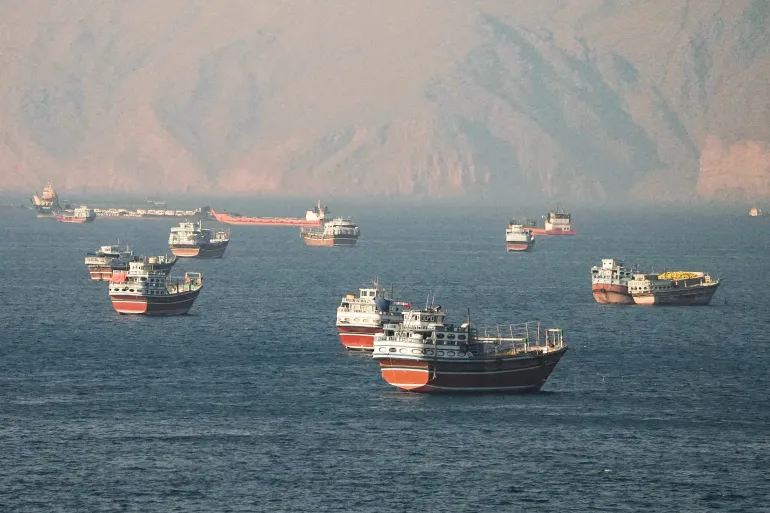
In related developments, maritime data provider Kpler confirmed Strait of Hormuz traffic remained active on June 23, with 31 verified crossings across commercial and energy-linked vessels. West-to-east movements dominated, while Iranian, Omani and International Maritime Organization routes all remained in use.
Kpler said the strait appeared operational under the US-Iran memorandum of understanding, but added that dark-route activity and uncertainty beyond the 60-day window continued to keep the recovery cautious.
The pickup in vessel movements has also extended to liquefied natural gas traffic. More empty LNG tankers have transited Hormuz to pick up cargoes, including a Chinese LNG carrier, while at least eight Qatar-linked tankers entered the Persian Gulf over the past week, according to Kpler.
Qatar and Abu Dhabi National Oil Company, or ADNOC, are seeking to rapidly increase exports after the interim deal, which reduced immediate risks to Gulf energy shipments.
The Strait of Hormuz is one of the world’s most important oil transit chokepoints, linking Gulf producers with global energy markets. The recovery in traffic has weighed on oil prices this week, as investors reassessed the geopolitical risk premium that had built up during the disruption.




.jpg.jpeg)