
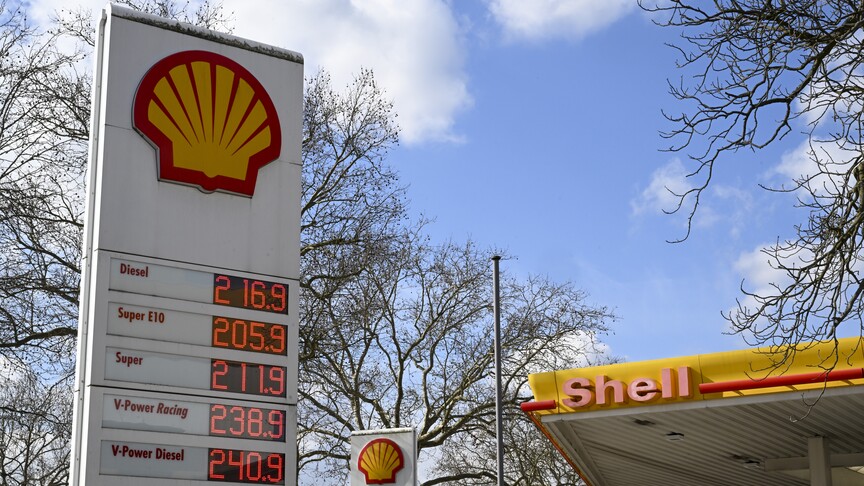
European natural gas prices fell 6.2% on Monday, hitting their lowest level in five weeks, after the US and Iran reached a preliminary framework agreement aimed at ending their conflict and reopening the Strait of Hormuz, easing concerns over liquefied natural gas (LNG) supply disruptions.
The benchmark Dutch front-month futures contract at the Title Transfer Facility (TTF), Europe’s leading gas trading hub, dropped to around €43.8 ($50.9) per megawatt-hour during the session, as geopolitical risk premiums in energy markets retreated.
The decline came after Pakistan’s Prime Minister Shehbaz Sharif announced a breakthrough in efforts to end the conflict, saying the US and Iran had agreed on a preliminary framework that includes the immediate and permanent termination of military operations on all fronts, including in Lebanon.
The agreement is expected to be formally signed in Switzerland on June 19. It also includes the lifting of the US naval blockade on Iranian ports and the reopening of the Strait of Hormuz, a critical energy chokepoint linking the Persian Gulf with global shipping routes.
The strait is particularly important for LNG markets, as about one-fifth of global LNG trade transited the route in 2024, largely from Qatar, according to the US Energy Information Administration.
The International Energy Agency has also said that there are no alternative routes to bring these Persian Gulf LNG volumes to market.
The prospect of restored LNG shipments from the Persian Gulf reduced supply concerns that had kept gas prices in Europe and Asia elevated since March, when the conflict sharply disrupted vessel traffic through the region.
Lower gas prices also supported broader market expectations that easing energy costs could help reduce inflationary pressure in Europe, where policymakers have been closely watching the impact of imported energy prices on households, industry and monetary policy.
.jpg.jpeg)