
Germany’s import prices rose at the fastest annual pace in nearly three and a half years in May, driven by a sharp increase in energy and intermediate goods prices, official data showed on Tuesday.
Import prices were 6.8% higher in May than in the same month last year, the Federal Statistical Office, Destatis, said in a statement.
This marked the largest year-on-year increase since December 2022, when import prices rose 9.6% amid the energy-market shock following the Russia-Ukraine war.
On a monthly basis, import prices increased 0.7% from April.
The annual rate accelerated from 5.3% in April and 2.3% in March.
Destatis said the increase was mainly driven by a 37.2% annual rise in energy import prices and a 10.1% increase in prices for imported intermediate goods.
A sharper annual increase in imported energy prices was last recorded in October 2022, when they surged 63%.
The statistics office said the war in the Middle East continued to have a strong impact on energy prices compared with a year earlier.
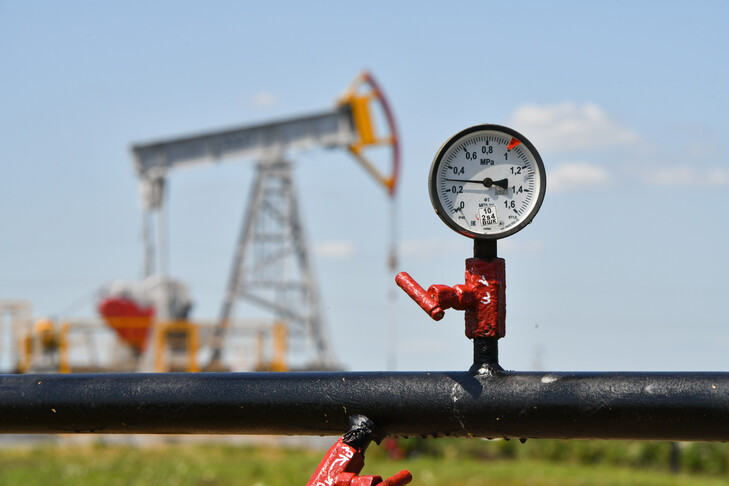
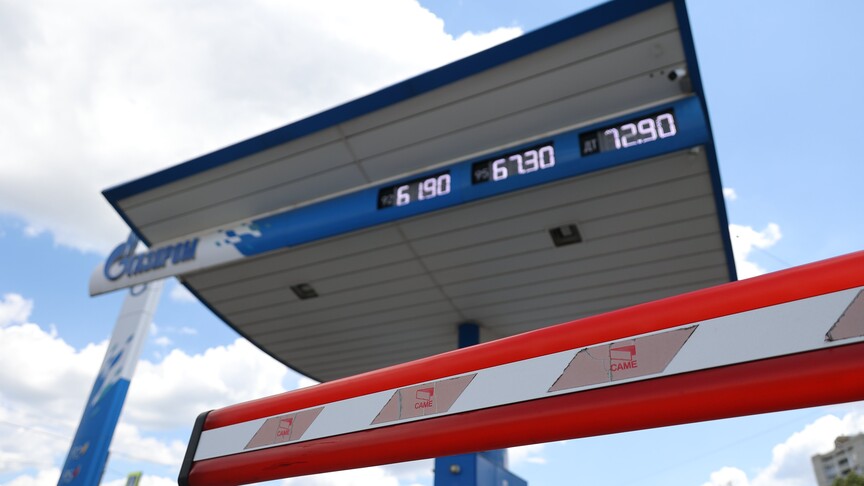
Imported crude oil prices jumped 59.3% in May from the same month last year, while prices for mineral oil products, including jet fuel and petrol, rose 57.3%.
Electricity import prices increased 44.1%, hard coal prices were up 12.7%, and natural gas prices rose 10.4%.
Among intermediate goods, non-ferrous metals and semi-finished metal products were 30.3% more expensive than a year earlier, while precious metals rose 46.6%.
Imported fertilizers and nitrogen compounds also posted a strong increase, rising 31.4% from May 2025.
Excluding energy, import prices were 3.8% higher than a year earlier and 0.7% higher than in April.
Export prices also rose, increasing 3.4% year-on-year and 0.5% month-on-month. It is the largest annual rise in export prices since February 2023, when they increased 6.6%.
Destatis said higher prices for exported intermediate goods had the biggest impact on the annual export price increase, while the effects of the Middle East war were also visible in energy export prices.



.jpg.jpeg)