The mass killings of Azerbaijanis in Baku, Shamakhi, Guba, and other regions in March 1918 remain among the darkest and most painful chapters in Azerbaijan’s history.
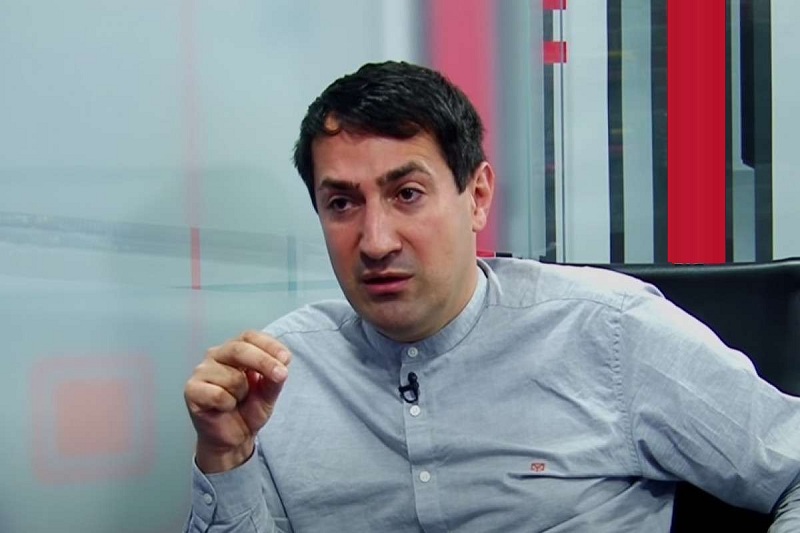
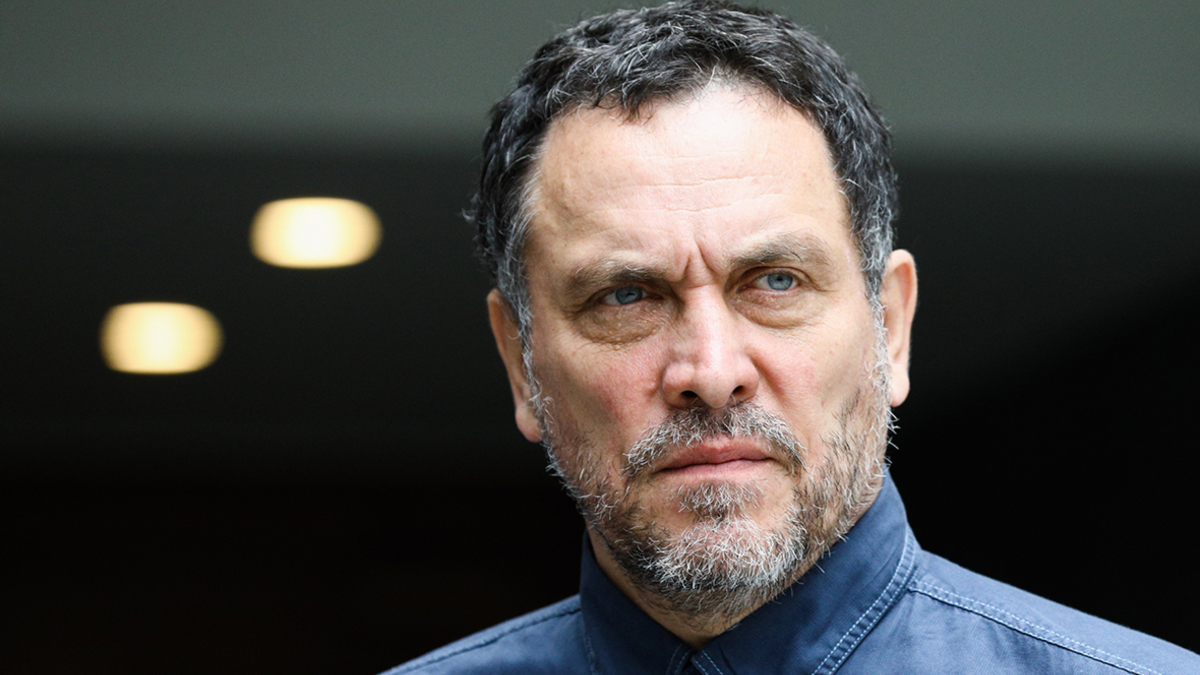
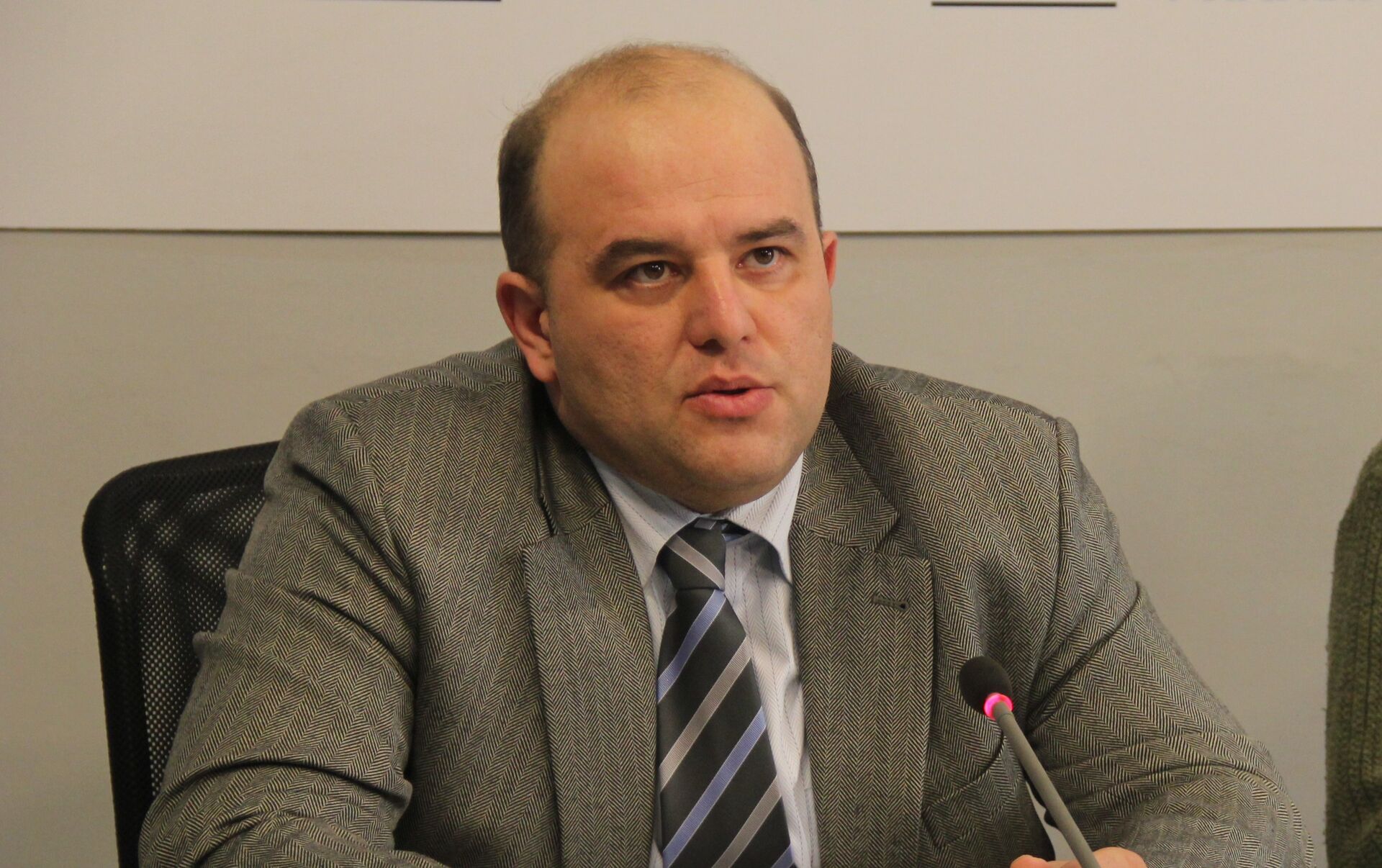
Speaking to EDnews, Russian journalist and political commentator Maksym Shevchenko said the tragedy has never received the level of international recognition it deserves.
According to Shevchenko, the events that unfolded in various parts of Azerbaijan were deeply tragic, yet remain largely confined to the historical memory of the South Caucasus.
“These are very tragic events. But they remain localized within the history of the South Caucasus, as well as within the history of Azerbaijan, Armenia and Türkiye,” he said.
“For me personally, these events are important. I know about them and I feel deep empathy for the people who suffered during that time. I have friends whose ancestors were killed in those events.”
Shevchenko argued that, in the broader international narrative, the suffering of Azerbaijanis in 1918 is still largely absent.
“Unfortunately, the genocide of Muslims is almost completely unrecognized in the Western world,” he said.
“Neither the tragedy of Azerbaijanis, nor the suffering of Palestinians, Turks or Iranians is taken seriously enough in the West. The killing of Muslims is too often treated as something ordinary.”
He also said that the events of 1918 remain little known in Western societies and in much of the non-Muslim world.
“The genocide you are referring to is practically unheard of in the West,” he noted.
“I have studied this issue specifically. This includes what happened in Shamakhi, where a mosque was burned together with the people inside. Your respected scholar Rizvan Guseinov described these events to me in great detail.”
According to Shevchenko, one of the main reasons for this lack of awareness is the absence of broader international discussion and representation of the Azerbaijani perspective.
“If these questions are not raised, people simply will not know about these events,” he said.
“Many are left with the impression that only Armenians suffered during that period. In general, the Azerbaijani perspective is not widely known internationally, while the Armenian version is far more visible.”
Shevchenko believes this historical silence has had consequences beyond the past and continues to shape political realities in the region today.
“The failure to speak openly about the events of 1918 is directly connected to later developments, including the occupation of Karabakh for nearly 30 years,” he said.
“The tensions we see today in the region, including developments involving Iran, are also linked to unresolved historical narratives. Karabakh, Palestine, the events of 1918, and the pressure on Iran are all part of a broader chain.”
He concluded by saying that the lack of international attention to the tragedies experienced by Azerbaijanis has contributed to a wider failure to address both historical injustice and ongoing regional instability.
For Shevchenko, remembering the events of March 31, 1918 is not only a matter of historical truth, but also part of a broader struggle against selective memory and unequal recognition of human suffering.

.jpeg)

.jpg.jpeg)