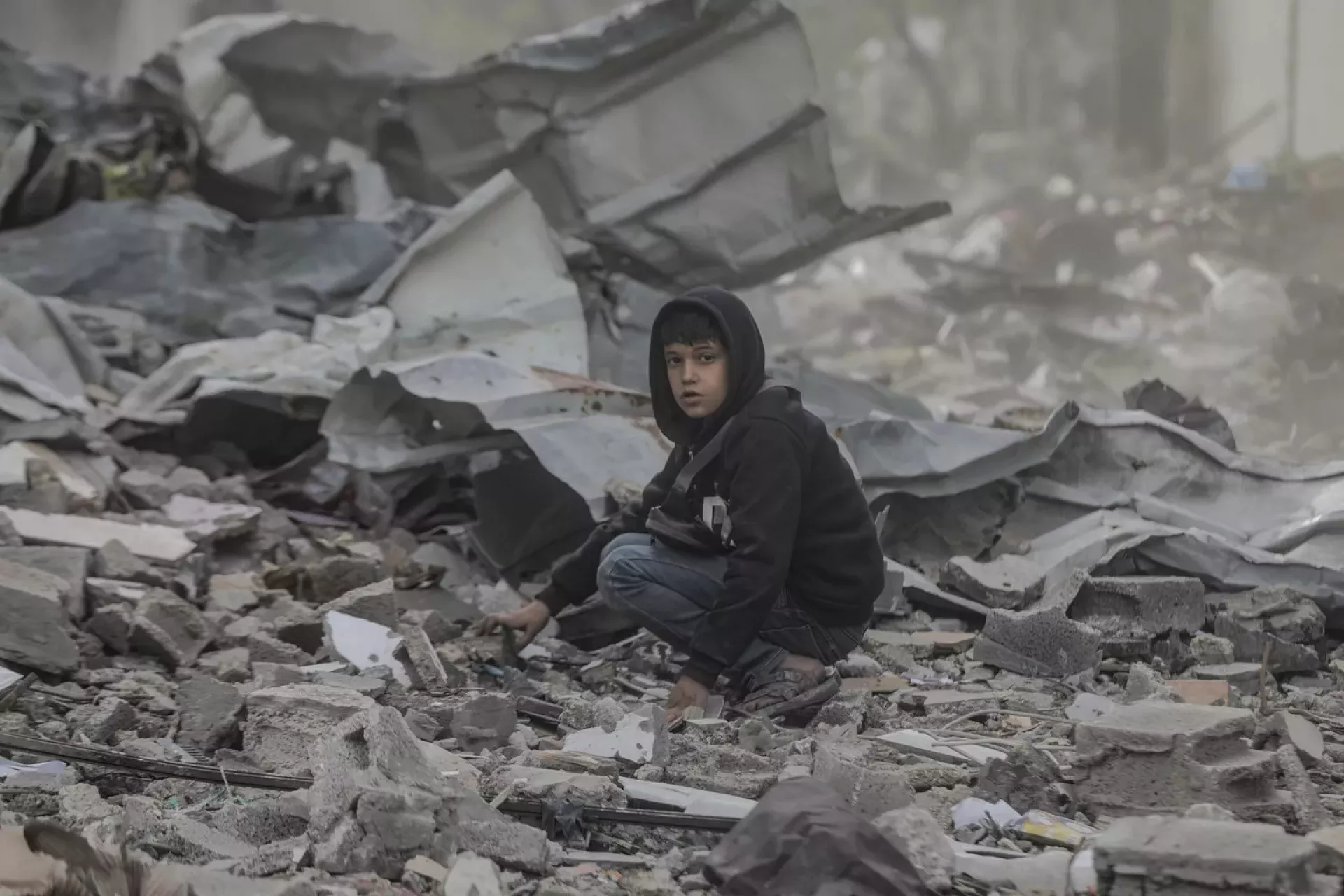
The ongoing asymmetric war involving the United States, Israel and Iran is drawing growing attention in Azerbaijan, particularly to the fate of ethnic Azerbaijani communities in cities such as Tabriz, Urmia and Ardabil. But another Turkic community caught in the wider regional fallout has received far less attention: the Iraqi Turkmens.
As regional tensions intensify, Turkmeneli — the historic area stretching across parts of northern Iraq, including Kirkuk and Tal Afar — is once again finding itself under pressure.
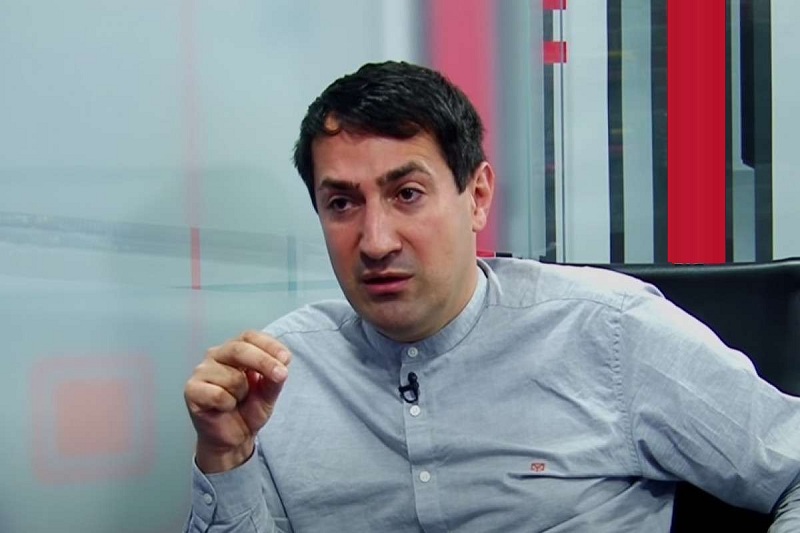
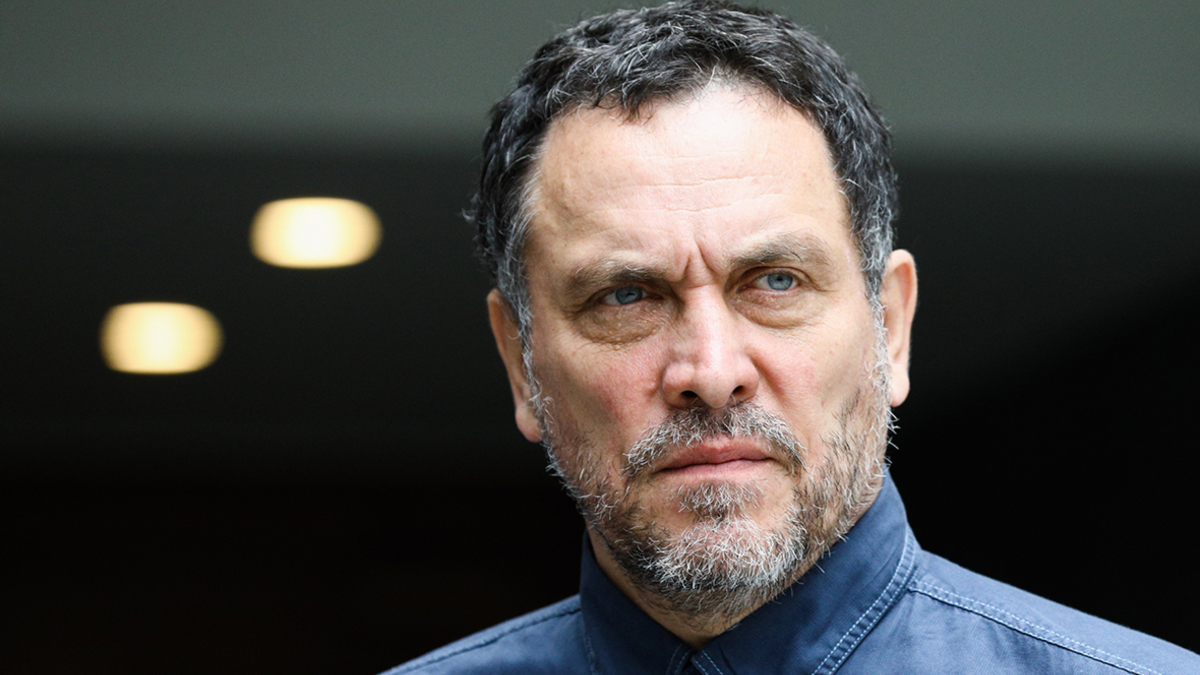
To better understand the situation on the ground, EDnews spoke with Nicat Kovseroglu, a journalist based in Kirkuk, who described the current atmosphere as deeply alarming.
“The situation is extremely serious. Kirkuk and Turkmeneli in general are actually caught between two fires,” he said.
According to Kovseroglu, the wider conflict is increasingly being felt across northern Iraq, where multiple regional and international actors are competing for influence.
“The area where we live has become the direct center of this asymmetric war,” he said, adding that local communities are paying a heavy price.
Kovseroglu said Turkmen communities have already suffered casualties in recent weeks.
“Unfortunately, our losses are not small — we have already lost seven of our young people,” he said.
Turkmeneli is home to both Sunni and Shiite Turkmens, and Kovseroglu said the internal social fabric of the community has also been affected by the broader regional confrontation.
Some Shiite Turkmen youth have joined armed groups aligned with Iran, including factions linked to Hashd al-Shaabi, but Kovseroglu argued that the reasons behind this cannot be explained only through religion or ideology.
“It is not correct to explain the joining of Shiite youth to Kataib Hezbollah and other Hashd al-Shaabi structures solely by religious motives,” he said.
“Of course, there is a certain ideological influence. But the main factor is the social situation. Young people cannot receive a quality education or find work. Financial difficulties force them to join these groups.”
He stressed that the consequences are being felt across the whole community, regardless of sectarian identity.
“Each of our young people who lost their lives today is our child — regardless of their sect. This is our common tragedy,” he said.
Kovseroglu also spoke emotionally about the symbolic importance of Azerbaijan for many Iraqi Turkmens, describing it as a source of cultural and national belonging.
“Azerbaijan is our homeland. Our future and our hope are connected with it,” he said.
He added that many Turkmens continue to look to Baku and Ankara as important centers of support and solidarity.
The situation highlights how broader regional wars often fall most heavily on fragmented ethnic communities living in geopolitically exposed areas.
For Iraqi Turkmens, the current conflict is not only a security crisis but also a humanitarian and identity challenge.
As instability deepens across the region, the expectations placed on Azerbaijan’s role — whether moral, cultural or humanitarian — may become increasingly significant in the eyes of Turkic communities beyond its borders.

.jpeg)

.jpg.jpeg)