.webp)
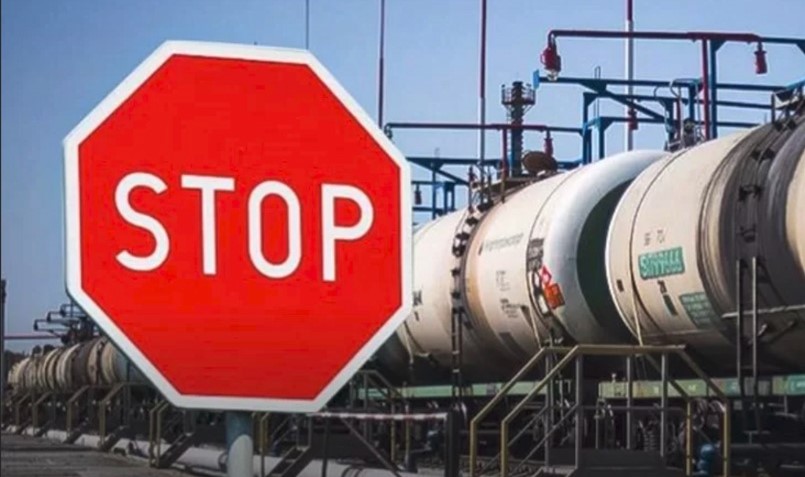
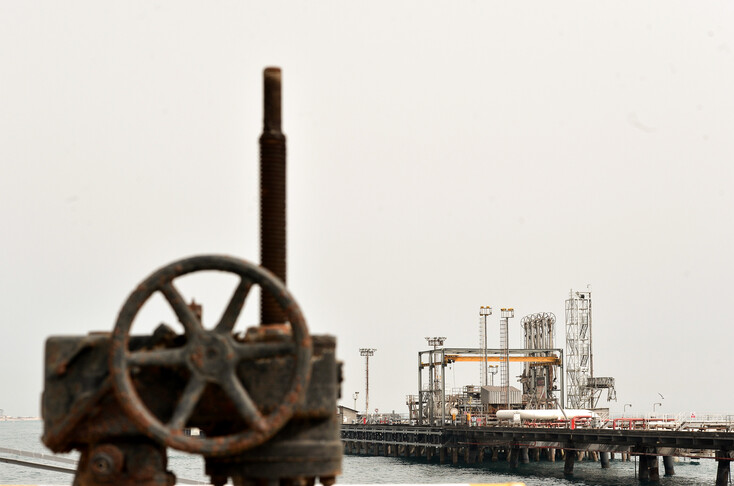
The escalating conflict between the United States, Israel, and Iran has triggered one of the most significant disruptions to global energy markets in recent years. After U.S. and Israeli forces launched strikes on Iranian military and nuclear targets on February 28, 2026, Tehran retaliated with missile and drone attacks across the Persian Gulf region. The escalation has already halted liquefied natural gas exports from Qatar, the world’s second-largest liquefied natural gas producer, and disrupted shipping through the Strait of Hormuz, one of the most critical energy chokepoints in the world. The Strait of Hormuz, a narrow waterway between Iran and Oman, carries roughly 20 percent of global liquefied natural gas trade and a similar share of seaborne oil.
Qatar alone supplies approximately 20–25 percent of global liquefied natural gas, and more than 90 percent of its exports pass through this route. When Iranian strikes and heightened security risks forced Qatar to halt operations at its Ras Laffan and Mesaieed facilities on March 2, global liquefied natural gas markets reacted immediately.
The disruptions reflect Iran’s strategy of asymmetric retaliation. Following U.S.–Israeli airstrikes under Operations Epic Fury and Roaring Lion, Tehran expanded the confrontation by targeting Persian Gulf infrastructure and threatening commercial shipping across neighboring states, including Qatar, Saudi Arabia, the United Arab Emirates, Kuwait, and Bahrain.
Iranian forces damaged several commercial vessels near the Strait of Hormuz between March 1 and 2, sharply reducing tanker traffic through the corridor. Soon after, a senior commander of Iran’s Islamic Revolutionary Guard Corps declared the Strait “closed,” warning that Iranian forces would target ships attempting to transit the passage.
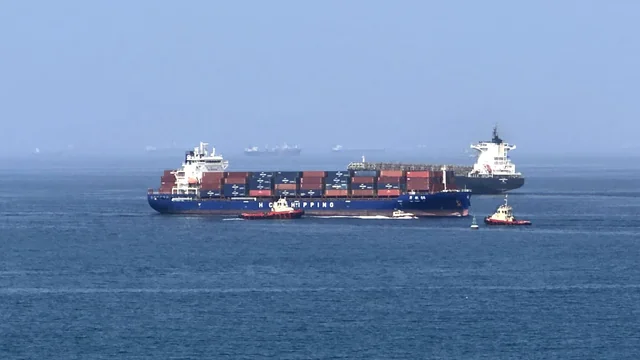
The threat froze tanker movements. Hundreds of vessels, including liquefied natural gas carriers, have remained stranded near regional ports such as Fujairah in the United Arab Emirates, while shipping companies reassess the risks. QatarEnergy declared force majeure on liquefied natural gas deliveries after military strikes affected its facilities, forcing a temporary suspension of production and exports.
The United Arab Emirates’ Das Island liquefied natural gas terminal, which exports roughly six million tons annually, has also faced disruptions due to the deteriorating security environment. Energy markets responded rapidly. European natural gas futures surged by up to 45 percent, reaching $52.69 per megawatt-hour on March 2. At the same time, Asian spot liquefied natural gas prices jumped to $25.40 per million British thermal units, their highest level since 2023.
Oil markets also tightened. Brent crude prices rose nearly 10 percent, briefly exceeding $82 per barrel as traders evaluated the scale and duration of the disruption. Shipping costs climbed sharply as well. Liquefied natural gas freight rates increased more than 40 percent, with Atlantic basin rates reaching $61,500 per day and Pacific rates rising to $41,000.
Analysts estimate that the shutdown of Qatari and Emirati liquefied natural gas exports could remove roughly two million tons of supply per week from the market, tightening global supply and forcing countries to draw down already limited inventories. U.S. natural gas futures have also risen as traders anticipate increased American liquefied natural gas exports to replace lost Persian Gulf volumes.
The supply shock has intensified competition between Asian and European buyers for available liquefied cargoes, echoing the rivalry that emerged during the 2022 energy crisis following Russia’s invasion of Ukraine. Asia faces the greatest exposure. Roughly 85 percent of Qatari liquefied natural gas exports normally flow to Asian markets. China relies on the Strait of Hormuz for about 30 percent of its liquefied natural gas imports, while India depends on the route for nearly 60 percent of its supply.
Japan, South Korea, and Taiwan have rushed to secure alternative cargoes by issuing spot tenders and diverting shipments from Atlantic suppliers. Europe relies less on Qatari liquefied natural gas directly, around 12 percent of imports, but remains vulnerable because gas storage currently stands at only 30–35 percent capacity, the lowest level since the 2022 energy crisis.
With the summer storage refill season approaching, European buyers must compete aggressively for flexible cargoes from the United States, Norway, and Algeria. Analysts warn that Dutch TTF gas prices could exceed $104 per megawatt-hour if disruptions persist for several months. The crisis has already begun to reshape global liquefied natural gas trade patterns. Some Nigerian liquefied natural gas cargoes originally destined for Europe have been diverted to Asia, where buyers are willing to pay higher premiums.
With little spare capacity in the global liquefied natural gas system, traders increasingly rely on spot purchases while traditional supply routes remain constrained. The United States stands to benefit from higher prices as American liquefied natural gas exporters capture larger margins across global markets. Russia may also benefit indirectly from elevated energy prices despite Western sanctions, while several import-dependent economies have begun reducing industrial gas consumption to prepare for shortages.
The broader geopolitical implications are substantial. Europe’s shift away from Russian pipeline gas after 2022 increased its reliance on liquefied natural gas imports. If Persian Gulf exports remain constrained, Europe could face renewed energy shortages, industrial slowdowns, and rising inflation. In Asia, the risks are equally serious. Major importers such as China and India depend heavily on energy flows through the Strait of Hormuz. Sustained disruptions could force governments to release strategic reserves, stockpile emergency supplies, or curb industrial consumption.
The crisis highlights the structural vulnerability of global energy supply chains. The Strait of Hormuz remains the most critical chokepoint in the international oil and gas system, and no alternative route can replace its full capacity. Saudi Arabia and the United Arab Emirates operate pipelines that bypass the strait, but these routes can move only a fraction of Persian Gulf exports.
EDnews | Umud Shokri