
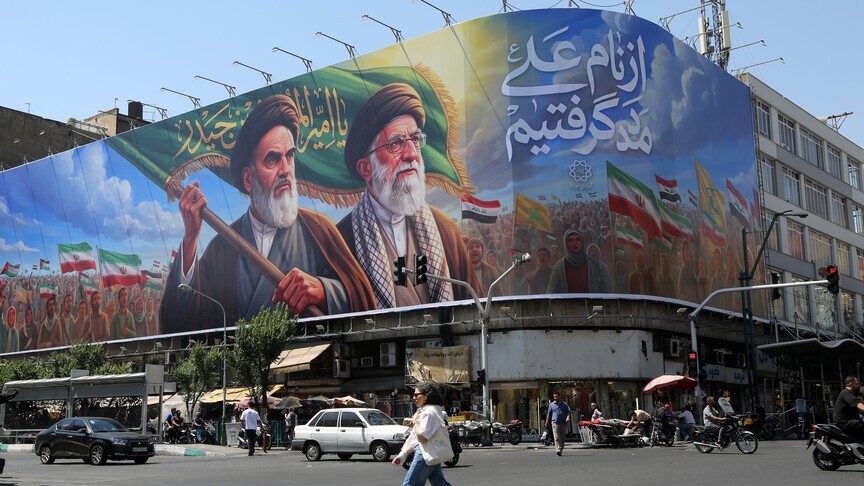
Iranian media on Friday published details of a 14-point draft memorandum of understanding between Tehran and Washington, revealing significant differences from provisions previously reported by Axios regarding sanctions relief, frozen assets, reconstruction commitments, and the scope of future negotiations.
According to Mehr News Agency, the draft remains subject to final review and approval by relevant Iranian authorities.
While both reported versions include provisions aimed at ending hostilities and advancing nuclear negotiations, they differ substantially in implementation. Axios reported a 60-day extension of the existing ceasefire while talks continue, whereas the Iranian-published draft calls for an immediate and permanent cessation of hostilities on all fronts, including Lebanon, followed by 60 days of negotiations toward a final nuclear agreement.
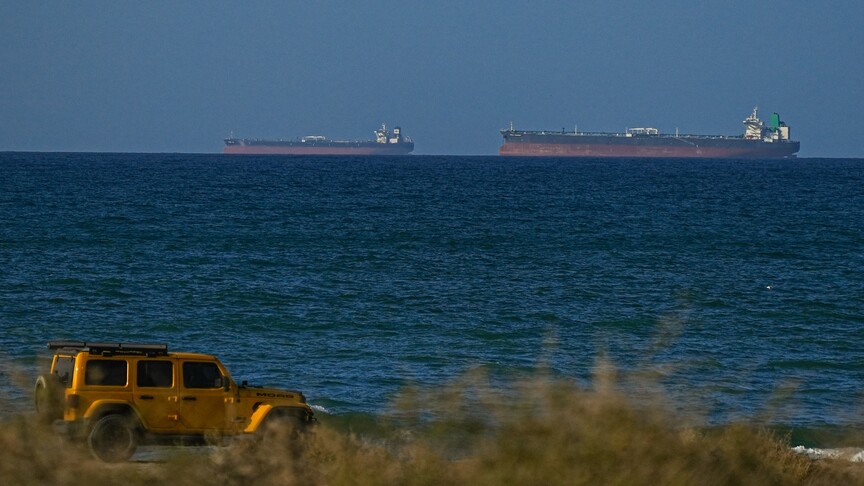
The reopening of the Strait of Hormuz also differs between the two accounts. Axios reported that maritime traffic would resume immediately without tolls, while the Iranian draft stipulates that the waterway would reopen within 30 days and in coordination with Iran.
Sanctions relief remains one of the most contentious issues. According to the Iranian-published text, sanctions on Iranian oil, petrochemicals, and related products would be suspended, Iran would regain access to its financial resources, and all primary and secondary US sanctions would eventually be lifted. Axios previously reported that sanctions relief would be tied to Iranian compliance with the agreement.
The draft also calls for the release of $24 billion in frozen Iranian assets during the negotiation period, with half of the funds made available before final talks begin. By comparison, Axios reported only limited access to some frozen funds for humanitarian purposes.
Another major provision not previously reported concerns reconstruction. The Iranian-published draft states that the United States and its allies would present plans for rebuilding Iran worth at least $300 billion.
Additional clauses include commitments by Washington not to interfere in Iran’s internal affairs, respect Iranian sovereignty, refrain from increasing military deployments in the region, and avoid imposing new sanctions during negotiations. The draft also calls for the withdrawal of US forces from areas surrounding Iran.
On the nuclear issue, the draft states that Iran would reaffirm its commitment under the Treaty on the Non-Proliferation of Nuclear Weapons not to develop nuclear weapons.
Perhaps the most consequential provision is the limitation placed on future negotiations. According to the draft, any final agreement would focus exclusively on nuclear material, enrichment activities, sanctions relief, and economic reconstruction, explicitly excluding discussions on Iran’s missile program and support for regional armed groups.
The text further states that any final agreement would be endorsed through a United Nations Security Council resolution and monitored through a dedicated implementation mechanism.
The publication comes amid heightened regional tensions. US and Iranian officials have indicated that substantial progress has been made toward a possible agreement, although military exchanges have continued in recent days. The draft has not yet been officially adopted and remains under review by Iranian authorities.

.jpg.jpeg)