
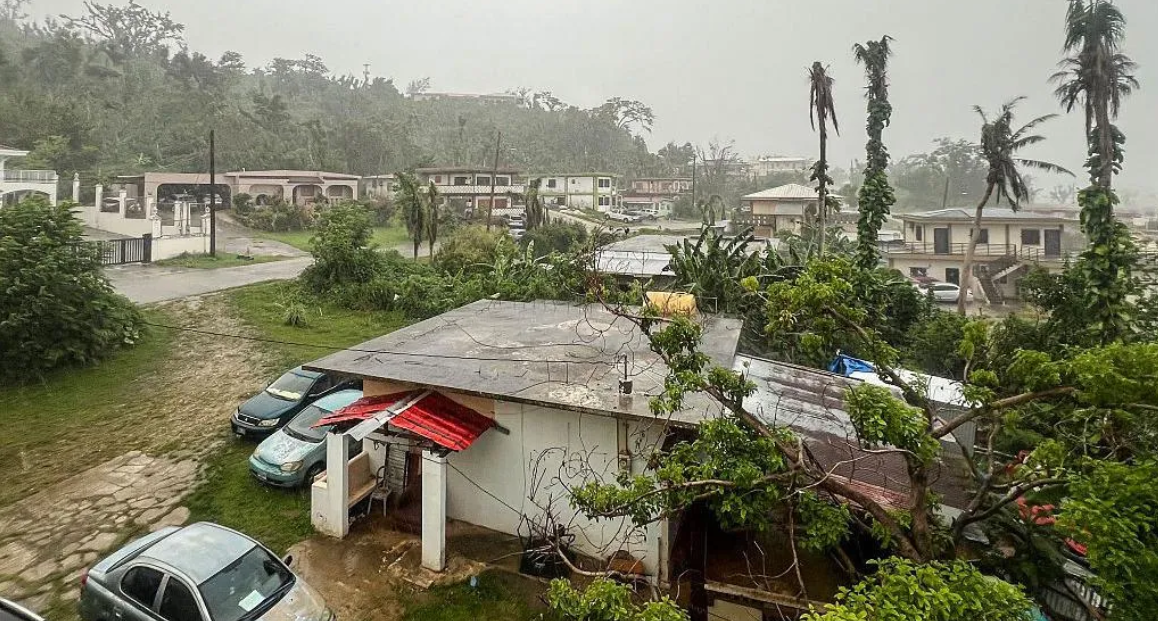
Emergency evacuations are underway in Guam and the Northern Mariana Islands as Super Typhoon Bavi approaches the US Pacific territories with potentially catastrophic impacts, EDnews reports.
According to the US National Weather Service (NWS), Bavi is expected to make landfall early Monday with sustained winds of up to 257 km/h (160 mph). The agency warned that the powerful storm could bring catastrophic damage, torrential rainfall, significant flooding and waves reaching nearly 11 metres (35 feet).
Forecasters expect the typhoon to pass directly over Guam and the Northern Mariana Islands by Monday afternoon. Dangerous conditions, including destructive winds, could persist for eight to 10 hours before and after the storm's centre passes.
Authorities have urged residents to evacuate immediately if instructed, warning that conditions will become life-threatening once the storm arrives.
Guam, home to around 170,000 people, has opened five emergency shelters, although one had already reached full capacity by Sunday afternoon, prompting officials to redirect evacuees to alternative locations.
The Joint Typhoon Warning Center (JTWC) has classified Bavi as a super typhoon and forecasts sustained winds of 278 km/h (173 mph), with gusts reaching 333 km/h (207 mph). The NWS said the storm carries destructive potential comparable to a Category 4 or 5 hurricane.
The approaching storm has also disrupted travel and business operations. Residents have boarded up homes and businesses, while several flights have been cancelled as preparations intensify.
Bavi is the second super typhoon to threaten Guam and the Northern Mariana Islands this year, following Super Typhoon Sinlaku in April, which claimed 17 lives and caused an estimated $1.5 billion in damage.
Scientists say warmer ocean temperatures and the ongoing El Niño weather pattern are contributing to the increasing intensity of tropical cyclones in the western Pacific.
.jpg)




.jpg)
.jpg.jpeg)